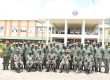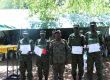
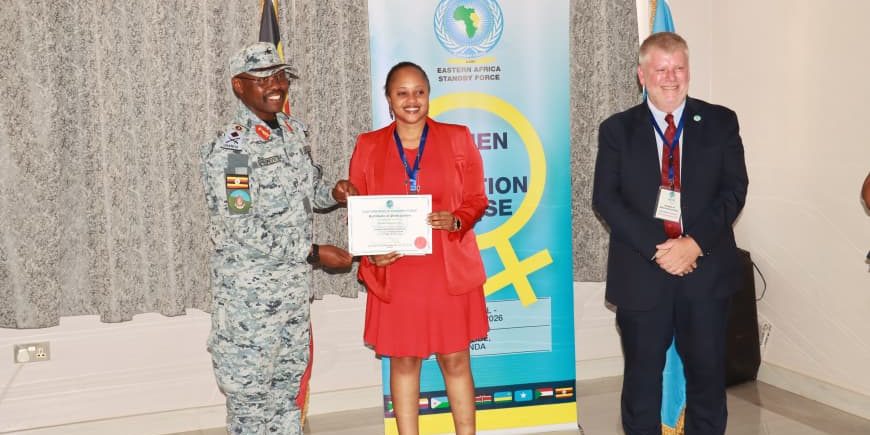
The Eastern Africa Standby Force (EASF) has been commended for advancing professional excellence, inclusive leadership, and sustainable peace through strengthening mediation capacity in line with regional and international peace frameworks.
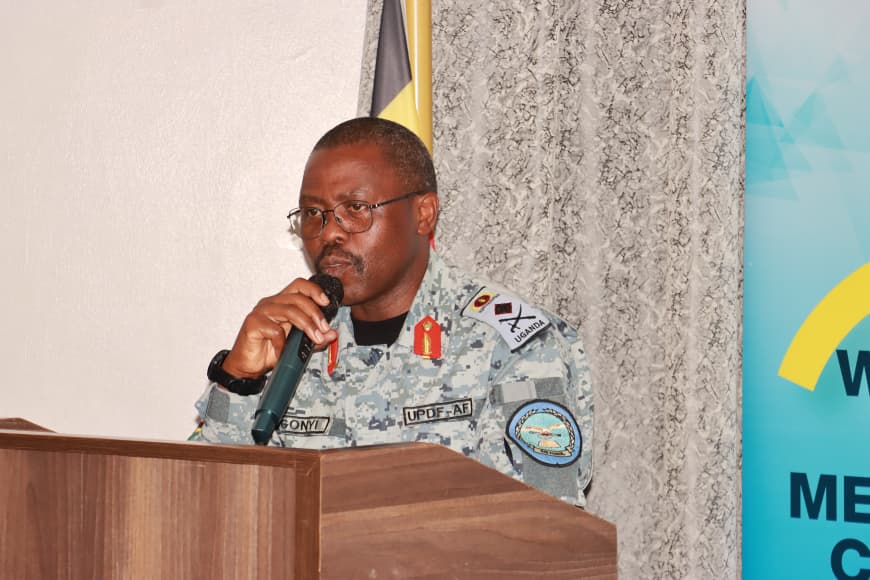 The remarks were made by Brig Gen David Gonyi, the Chief of Staff-Air Force of the Uganda Peoples’ Defence Forces (UPDF), during the closing ceremony of a two-week Women in Mediation Course held in Entebbe.
Brig Gen Gonyi described the training as an important investment in enhancing the role of women in conflict prevention, stabilisation, and peacebuilding across the region.
“The leadership views this training as a great co-investment in enhancing women’s role in conflict prevention, stabilisation, and peacebuilding. We therefore encourage you to carry forward the knowledge and skills acquired from the course and continue serving as exemplary ambassadors of discipline, unity, and peace,” he said.
Quoting President Yoweri Museveni, Brig Gen Gonyi emphasised that security extends beyond military force and includes societal stability, unity, and addressing the root causes of conflict.
“Security is not just about guns. It is about the stability of society, the unity of the people, and the elimination of the causes of conflict,” he said.
Brig Gen Gonyi, stressed that mediation remains a critical tool for stability and peace support operations.
He highlighted the important role women play in conflict resolution and peacebuilding, noting that women often contribute to more durable peace agreements and are effective in building trust within communities affected by conflict.
“The role of women in leadership and peacebuilding is not an option; it is central to world transformation,” he stated.
He observed that modern security challenges have shifted from traditional state-centred threats to broader human security concerns such as food insecurity, environmental challenges, and social instability.
Brig Gen Gonyi further stated that the United Nations Security Council Resolution 1325 continues to guide efforts aimed at ensuring women’s full participation in peace and security processes.
He linked the course objectives to Sustainable Development Goals 5 and 16, which focus on gender equality, peace, justice, and strong institutions.
Highlighting Uganda’s progress in promoting women’s leadership, he noted that several senior government positions are currently held by women, reflecting the country’s commitment to inclusive governance and equal opportunity in national development.
He encouraged the participants to apply the skills acquired within their institutions, mentor others, and promote mediation and peacebuilding initiatives in their respective countries.
Brig Gen Gonyi particularly thanked the Royal Kingdom of Denmark for its continued support toward regional peace and security initiatives.
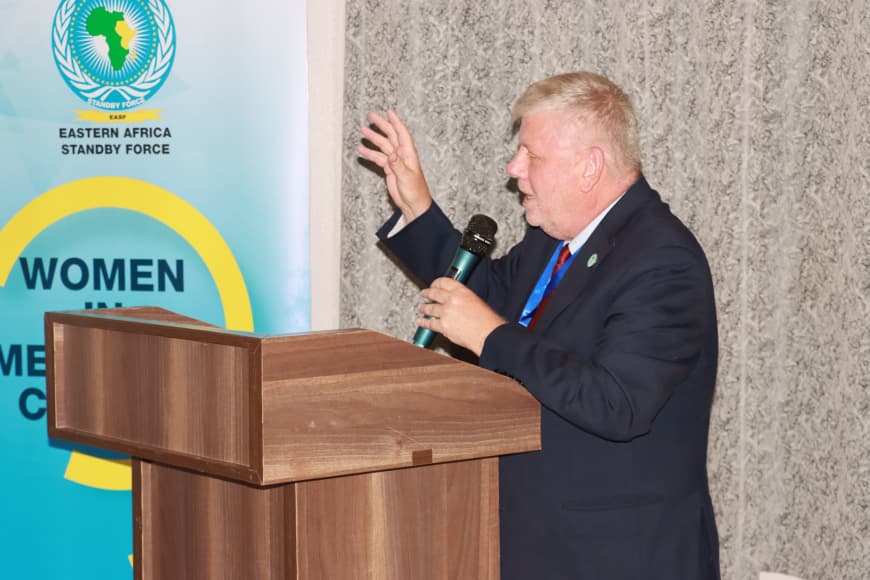 On behalf of the Danish Ambassador, Mr Ken Albret emphasised the importance of women’s voices in peace and security discussions and urged member states that have not yet implemented the United Nations Security Council Resolution 1325 National Action Plans to prioritise and advocate for their implementation.
He reminded participants that the workshop aimed at providing practical and context-specific tools to enhance women’s inclusion in EASF-supported dialogue, mediation, and negotiation processes in line with Sustainable Development Goals 5 and 16.
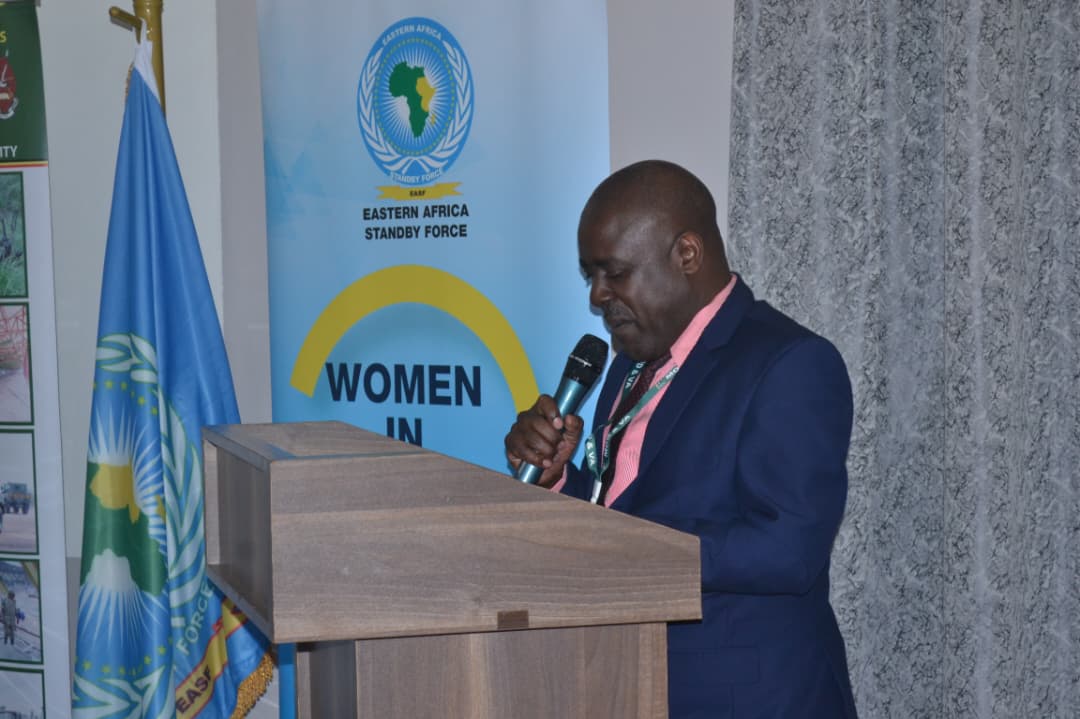 The National Focal Point Person and Principal Human Resource Officer at the Ministry of Defence and Veteran Affairs, Mr Stephen Komunda Sajja, thanked participants for their active engagement throughout the course.
“I hope the ideas shared here do not remain in this room. Let us put into action what we have learned, whether in our homes, offices, communities, or institutions,” he said.
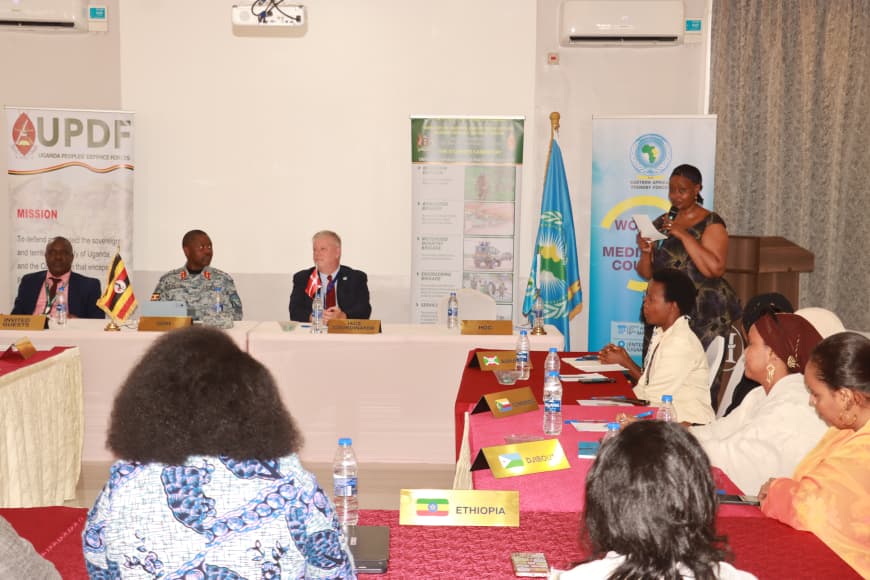 Speaking at the ceremony, Mrs. Monalisa Kakono, the Course Coordinator and Head of the Civilian Component of the EASF, praised participants for their commitment and active engagement throughout the training.
“You have represented your nations very well. I am sure that we are all better than we came and are ready to be the change we want to see in the world,” she said.
Mrs Kakono encouraged participants to put into practice the skills acquired during the course and promote peace, unity, and cooperation within their communities and countries.
On behalf of the participants, Ghada Elhadi Yousif from Sudan described the course as transformative and impactful.
“This course has been far more than an academic journey. It has been a transformative experience where we have built lasting partnerships and strengthened peace efforts across our countries,” she said.
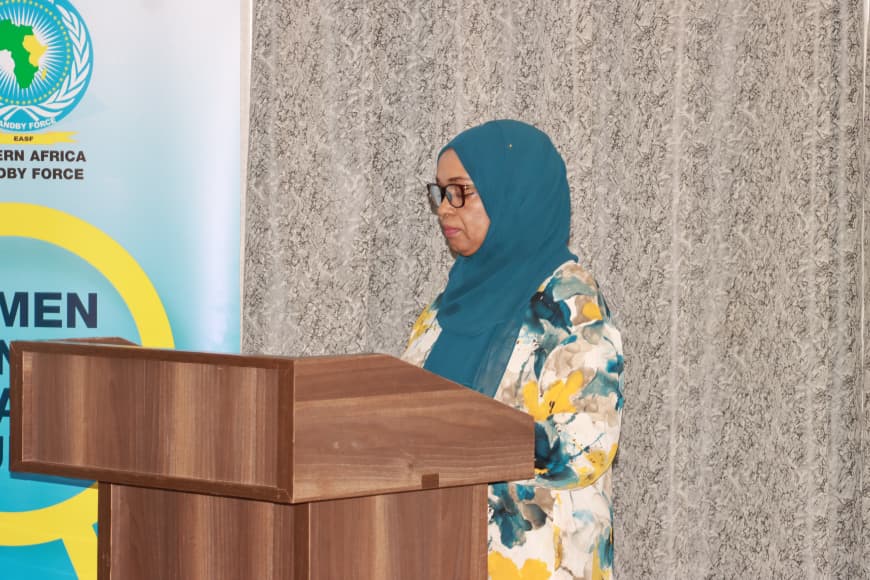 Dr Yousif pledged that participants would use the knowledge and mediation skills acquired during the training to promote reconciliation, dialogue, and sustainable peace in their respective communities.
The course brought together participants from EASF member states, including Burundi, Comoros, Djibouti, Ethiopia, Kenya, Rwanda, Somalia, Sudan, and Uganda.