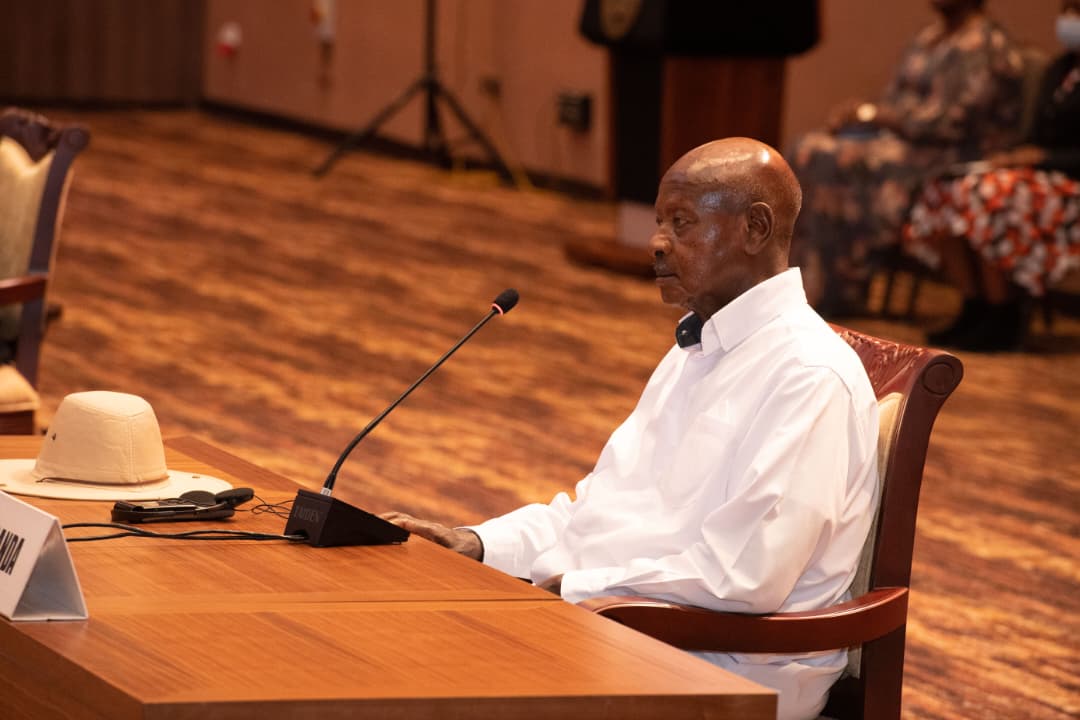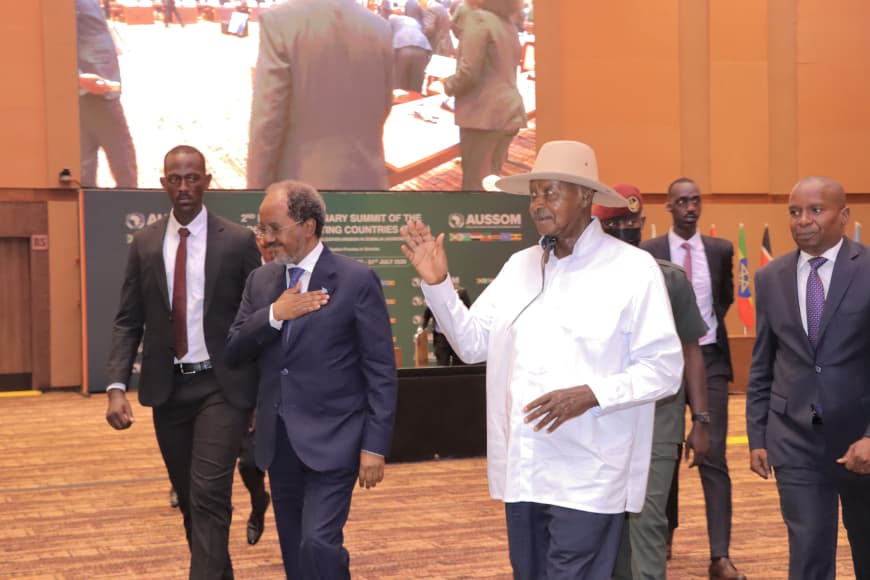
 President Yoweri Kaguta Museveni has reaffirmed Uganda’s strategic commitment to peace and regional stability in the Horn of Africa, emphasizing that the intervention in Somalia remains grounded in Pan-African solidarity, principle, and long-term security strategy rather than mere geographical proximity.
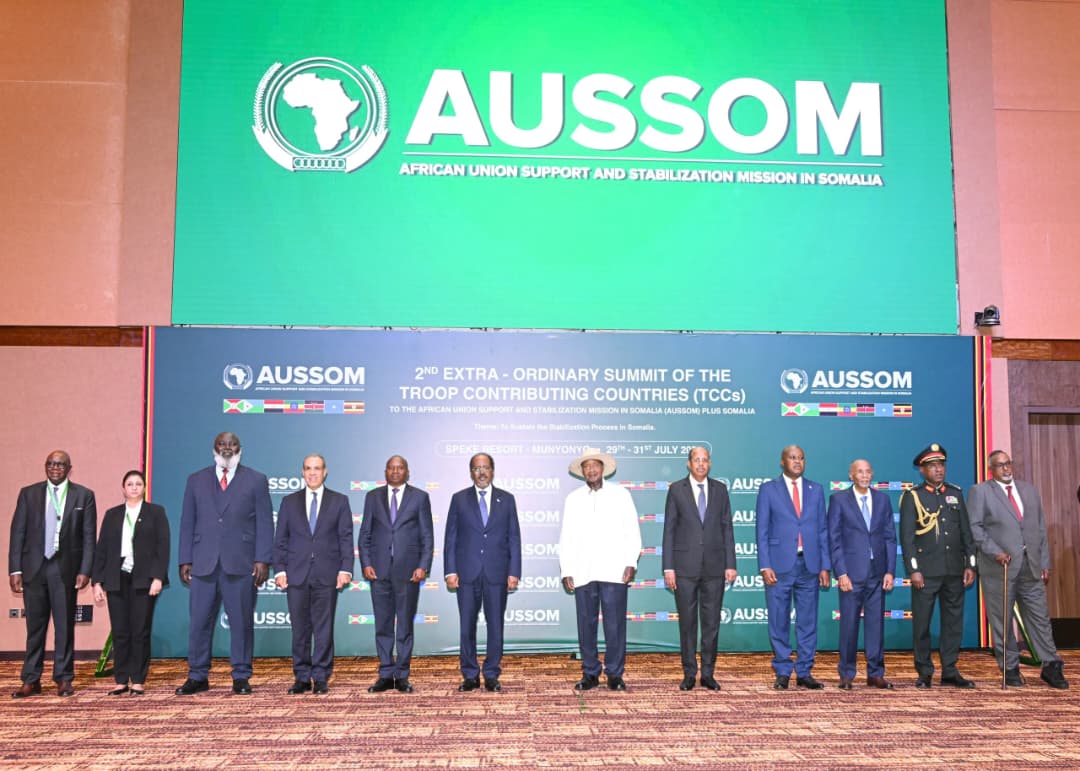
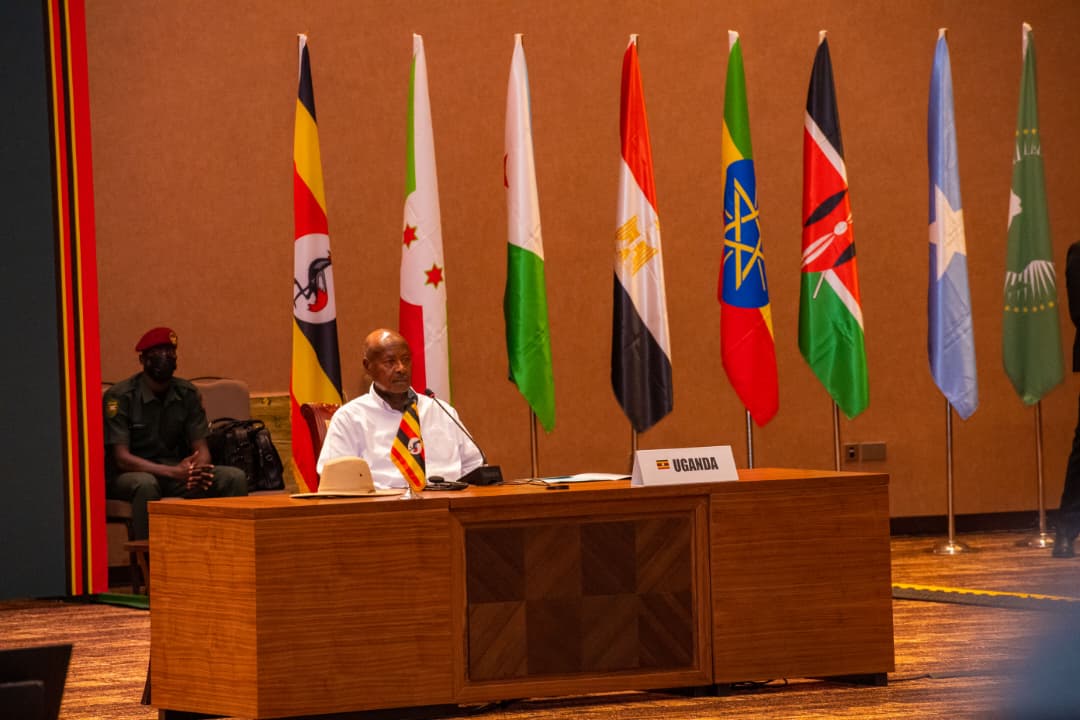
Speaking during the closing ceremony of a three-day summit that brought together Heads of State from troop-contributing countries to the African Union Support and Stabilization Mission in Somalia (AUSSOM), namely Uganda, Ethiopia, Kenya, Djibouti, Egypt, and Burundi, the President noted that although Uganda does not share a direct territorial border with Somalia, its military presence alongside regional forces was a deliberate decision rooted in core Pan-African principles.
President Museveni explained that Uganda’s intervention in Somalia rests on two primary pillars: rejecting religious extremism that threatens societal cohesion and demonstrating tangible solidarity with neighboring countries facing systemic regional threats. He cautioned against extremist groups seeking to impose ideological and religious chauvinism on African populations.
Reflecting on regional security dynamics, President Museveni recalled that similar ideological pressures had previously emerged from Khartoum in Sudan before spreading into Somalia, making a decisive intervention necessary to safeguard the region’s shared future. Highlighting the interconnected nature of security in the Horn of Africa, he stated that Uganda’s involvement was also an act of direct solidarity with Ethiopia, which faced strategic pressures from hostile groups operating across regional borders.
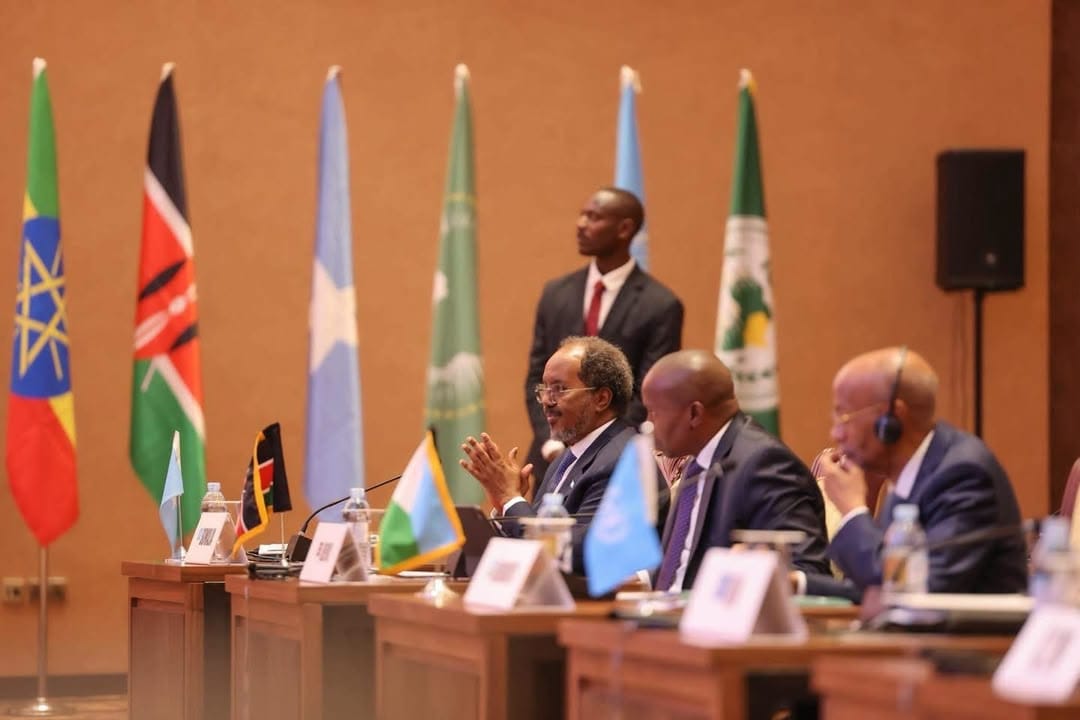
Addressing ideological intolerance, Museveni stressed that African societies possess a rich history defined by diversity, mutual respect, and coexistence. While different cultures maintain their own deeply rooted traditions and prohibitions, referencing past discussions with former Sudanese President Omar al-Bashir regarding traditional African and Islamic concepts of prohibition, the African way of life relies on respecting individual differences rather than forcing narrow doctrines onto others. He concluded by calling on ideological groups to respect the sovereignty and social fabric of African nations, reiterating that regional leaders remain united in ensuring Somalia achieves lasting peace, self-determination, and institutional stability.
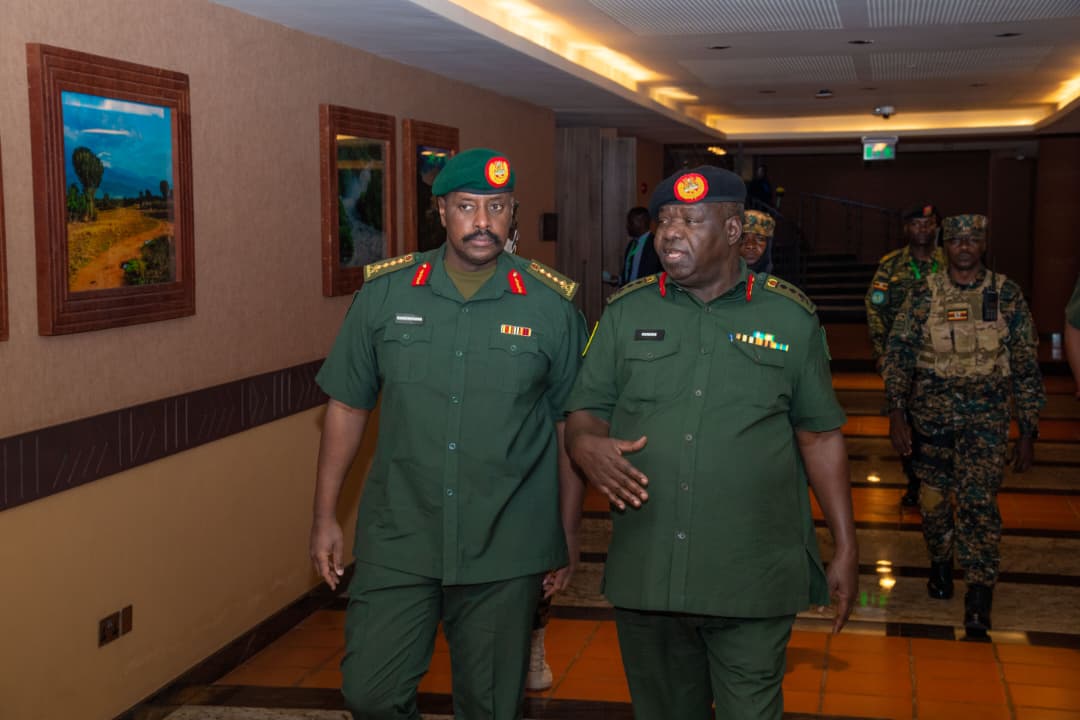
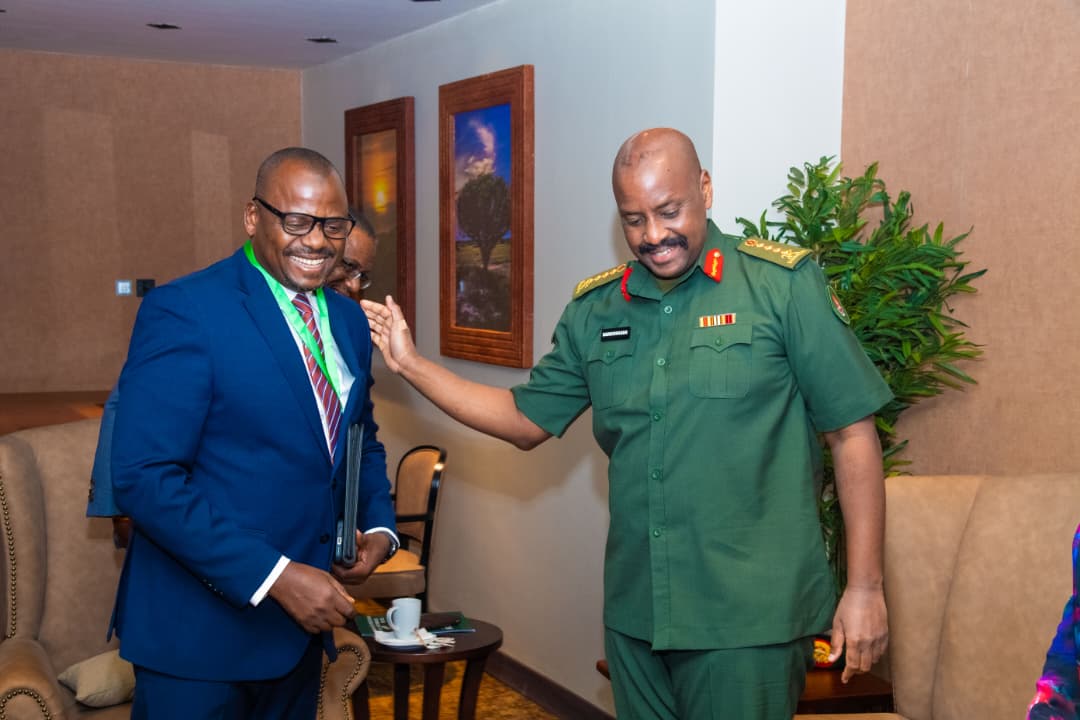
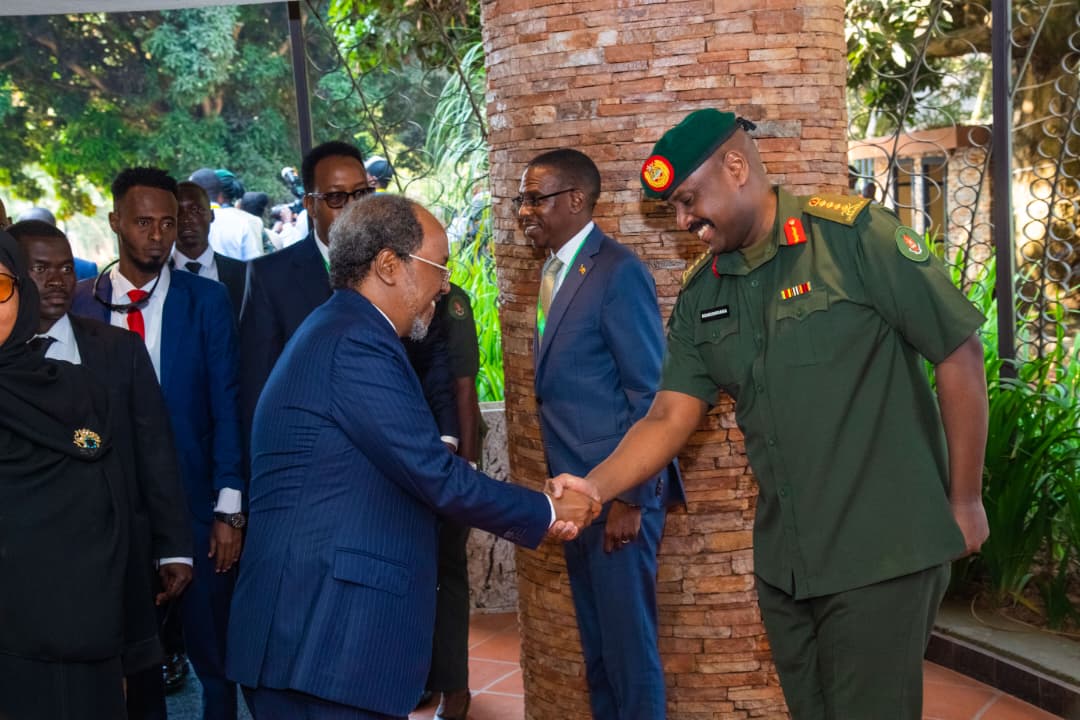
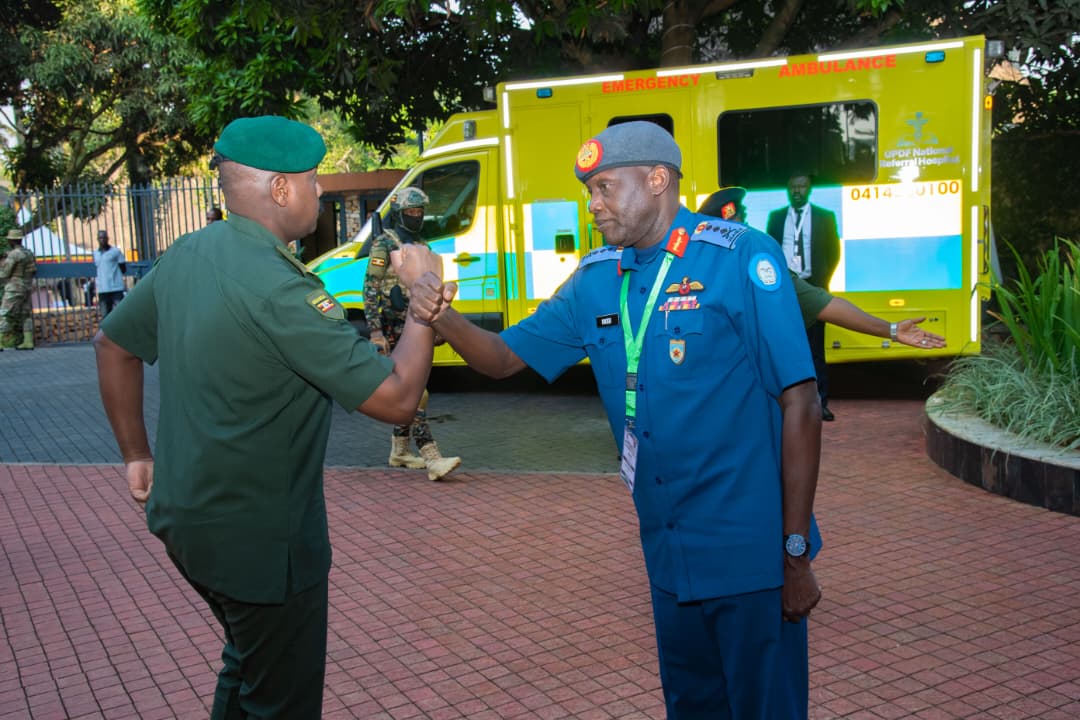
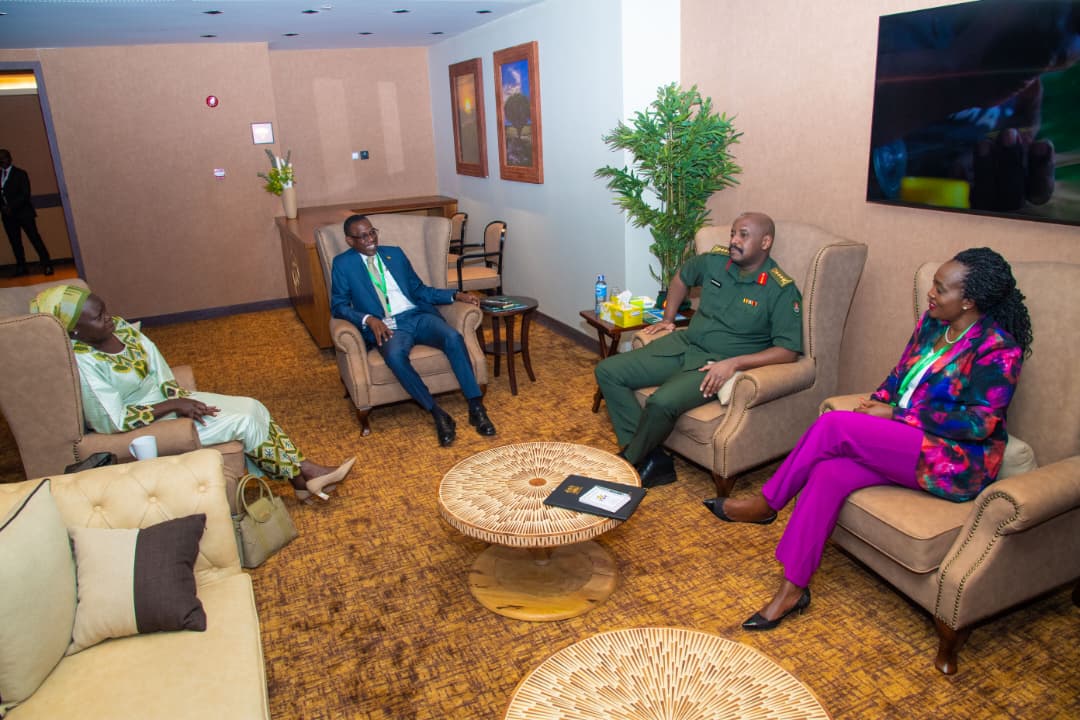 The Heads of State session followed earlier deliberations by the Chiefs of Defence Forces (CDFs) and Ministers of Defence from the participating nations. During the military chiefs’ meeting, Ugandan CDF Gen. Muhoozi Kainerugaba, who chaired the session, called for swift action as the United Nations Support Office in Somalia (UNSOS) prepares to conclude operations by December 31, 2026.
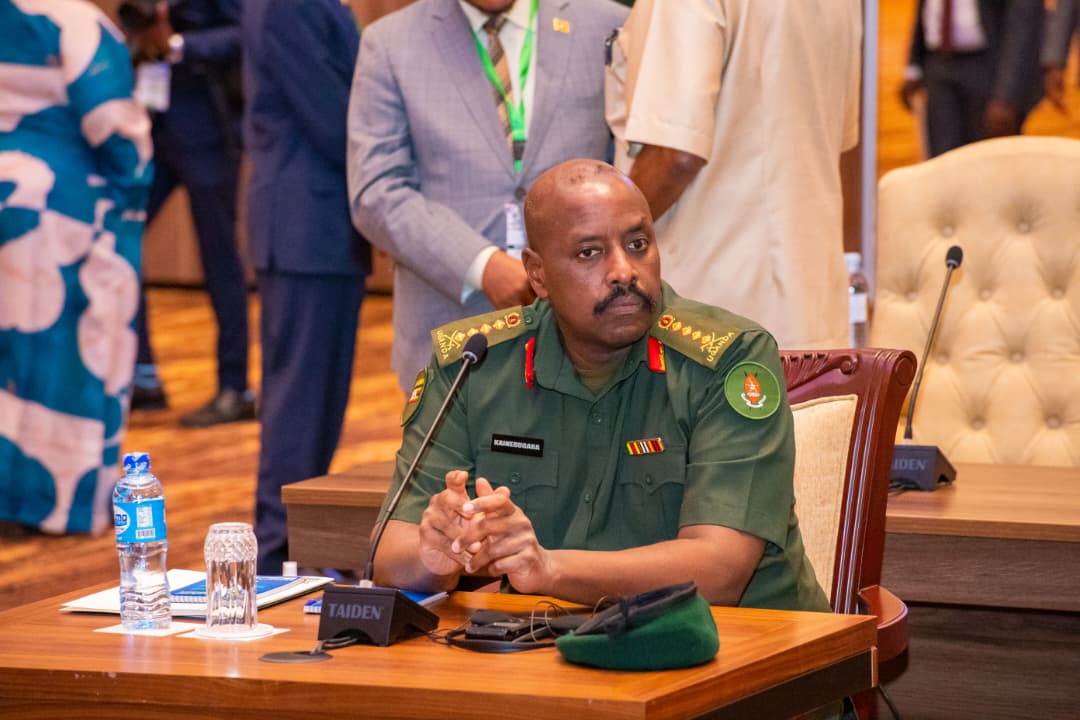 “These are difficult circumstances, but they also call for our unity, creativity, and resolve,” Gen. Kainerugaba stated, emphasizing the need for troop-contributing countries to fast-track African-led alternative arrangements. The recommendations generated by the CDFs were subsequently adopted by the ministers before being presented to the Heads of State.
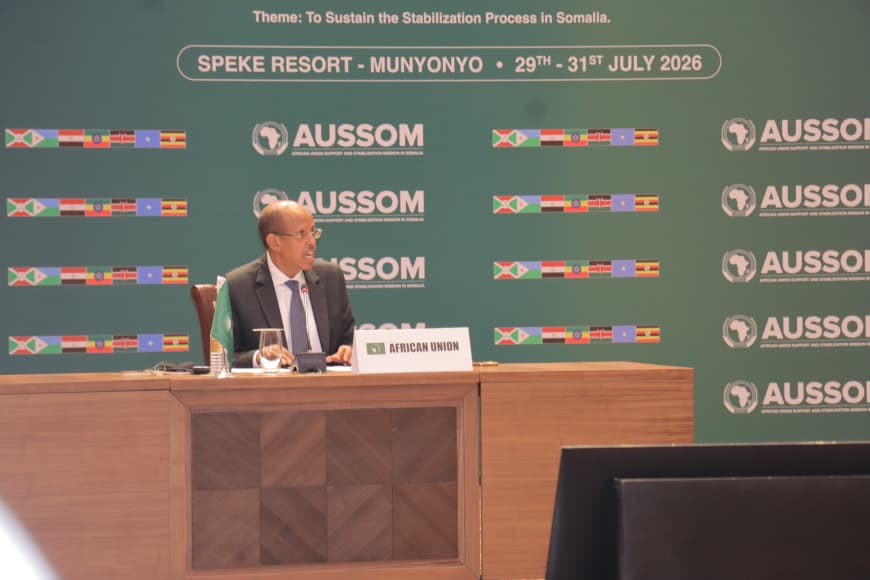
Also speaking at the summit, the Chairperson of the African Union Commission H.E. Mahmoud Ali Youssouf expressed deep gratitude to Uganda, noting that the country has stood as one of the pillars of Africa’s engagement in Somalia for close to 20 years.
“Its leadership and the sacrifices borne by its forces, and by those of all troop- and police-contributing countries, command our deepest appreciation,” he said.
He paid tribute to all African soldiers and police officers who have served under the African Union flag and made the ultimate sacrifice, noting that their professionalism, courage, and sacrifice have enabled Somalia to advance along the path to stability. He further reiterated the continent’s resolve to preserve the gains of the African Union Mission in Somalia (AMISOM) and conduct an orderly transition grounded in realities on the ground.
Emphasizing close dialogue with partners to secure predictable, sustainable support, he assured the government and people of Somalia that the Commission will continue mobilizing the necessary political, diplomatic, and financial backing for the mission’s success.