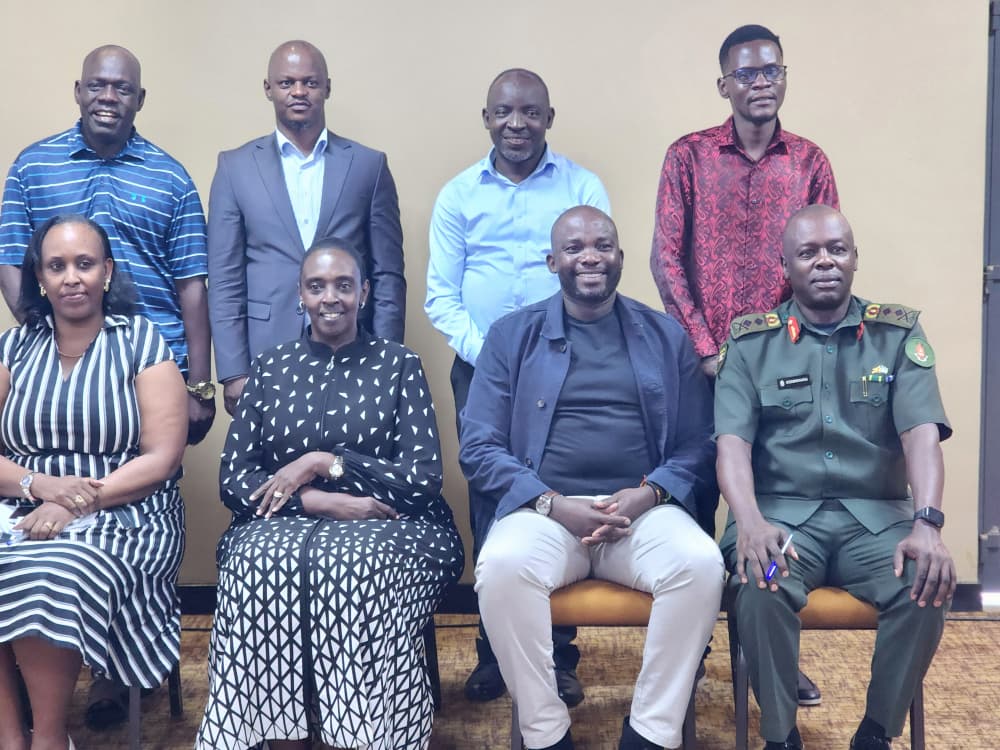
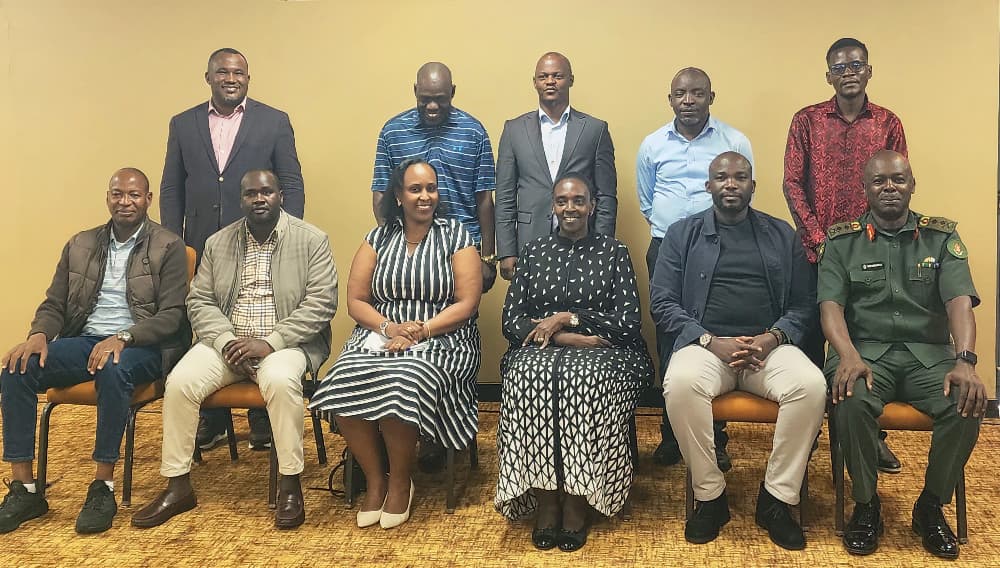
 The Committee on Defence and Internal Affairs held a two-day induction workshop at Speke Resort Munyonyo to equip its members with knowledge and information on how the Committee operates and influences legislation.
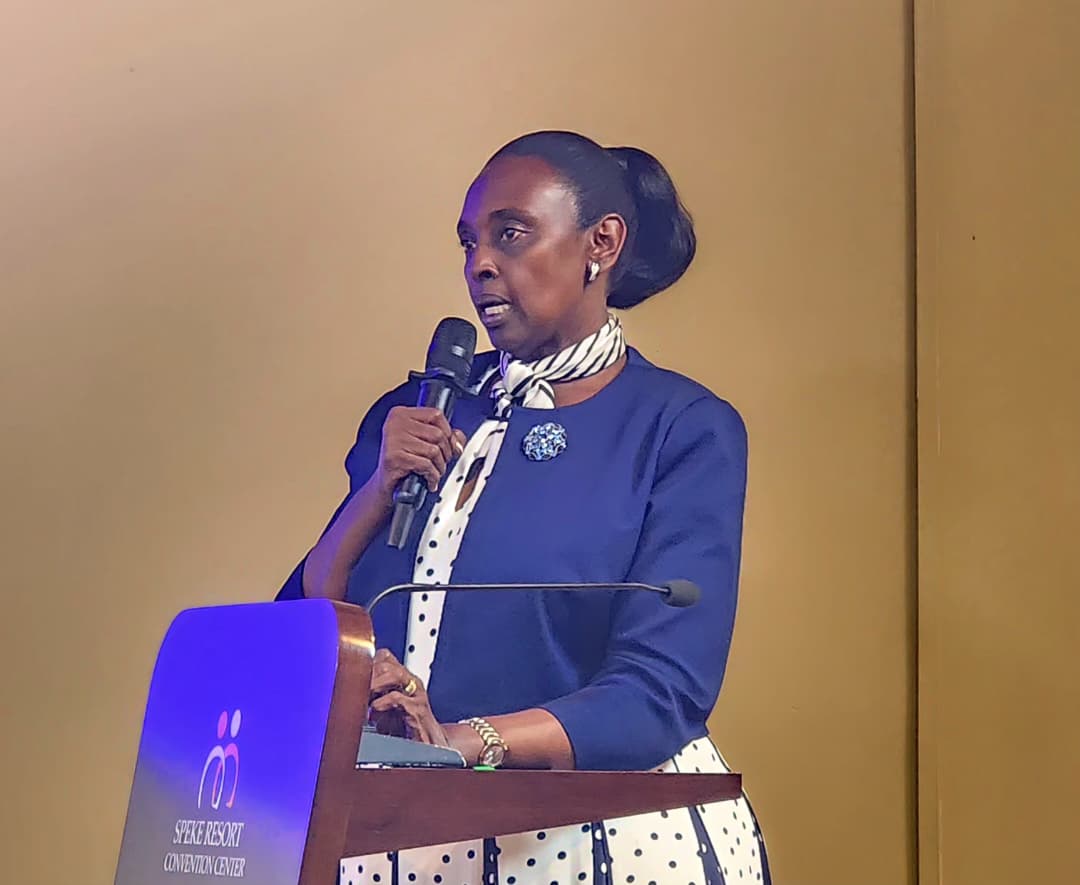 The workshop was chaired by the Chairperson of the Committee, Hon. Robinah Rwakoojo, the Member of Parliament for Gomba West Constituency.
The Chairperson said the induction is meant to remind members of their mandate and jurisdiction, concerns on regional peace and security obligations and external deployments by the UPDF.
“This induction is going to help the Committee in terms of mandate, oversight and committee work. It is going to help us in our investigative work. It has helped us to know how we have cooperation in the region and it has helped us to know how security is handled very well,” said Hon. Rwakoojo.
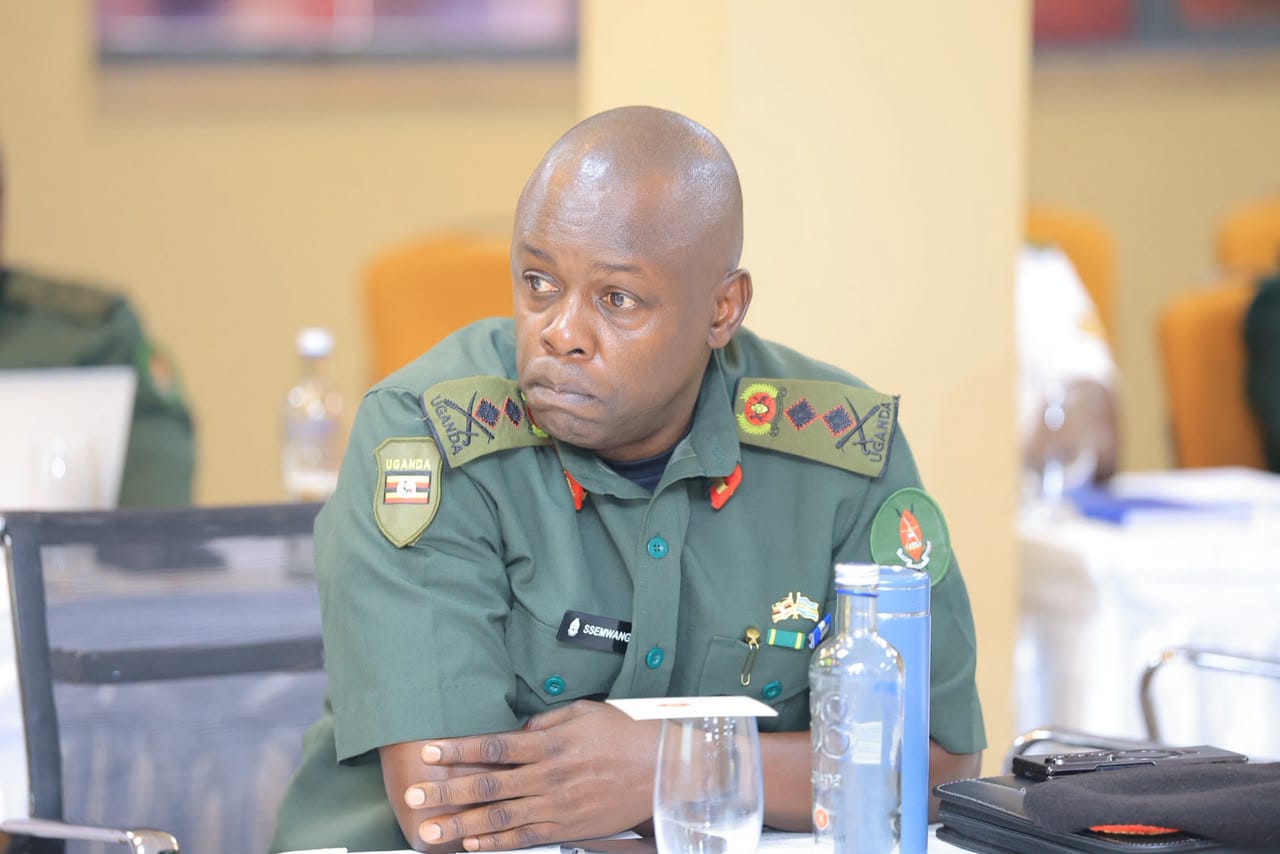 The UPDF Representative on the Committee of Defence and Internal Affairs, and Commander Reserve Force Maj Gen Joseph Musoke Ssemwanga, said the induction is meant to show how the Committee should relate with various Ministries, Departments and Agencies (MDAs) and with security organs in Uganda.
He said any action by a Member of Parliament can easily injure the security of Uganda. Therefore, this two-day training is very vital in terms of equipping members with security knowledge.
“Members of Parliament can interact or ask members of security in principle without necessarily being confrontational. Members have learnt that they should not bring their personal problems to the security personnel,” noted Maj Gen Ssemwanga.
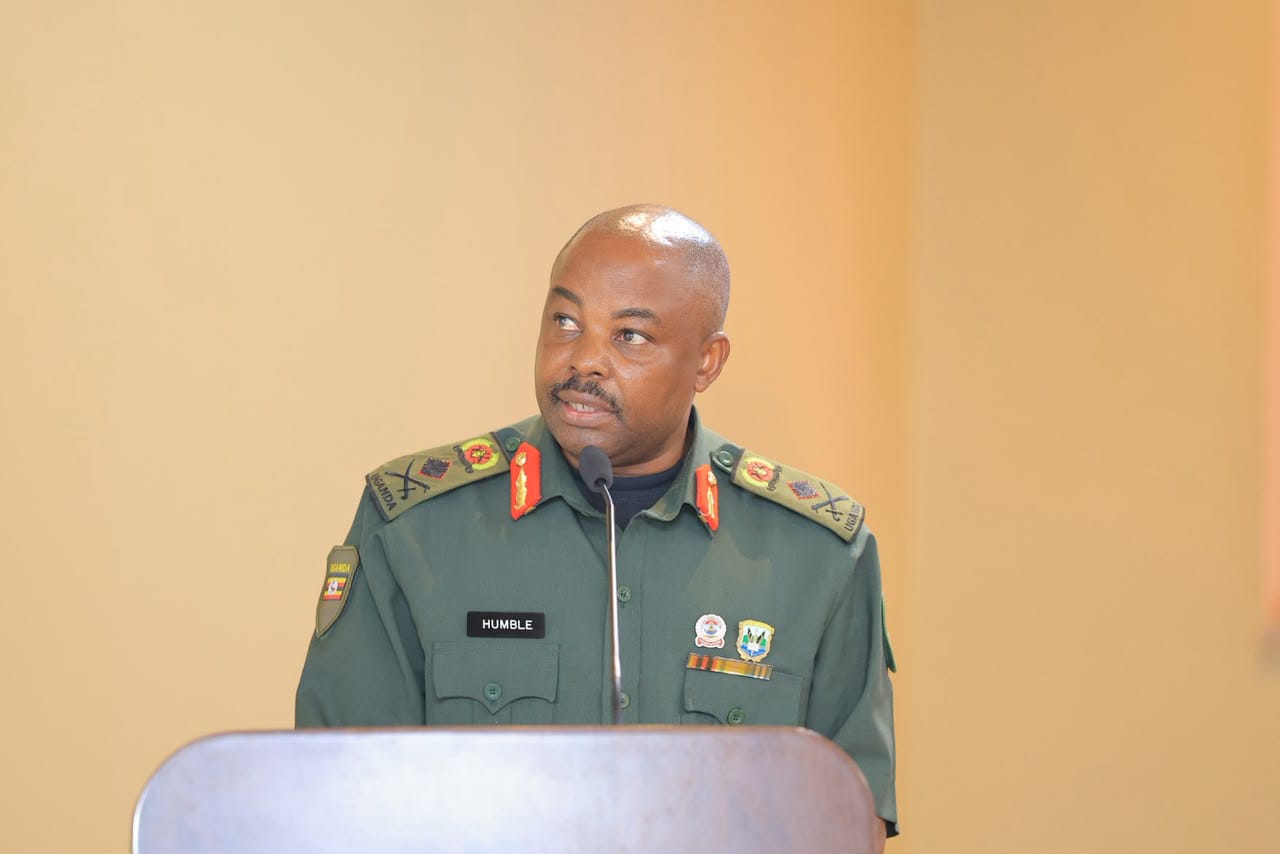 Representing the Permanent Secretary, Ministry of Defence and Veterans Affairs, Brig Gen Nicholas Humble Nyesiga, while speaking to the Committee on the issue of regional security in Africa, said regional security refers to the collective efforts of States and regional organisations to manage shared threats that transcend national borders, including armed conflict, terrorism, transnational crime and political instability.
He said within the Great Lakes Region, regional security is shaped by protracted conflicts, weak state institutions and cross-border insurgencies. In Eastern Africa, he said, security dynamics are further complicated by resource-based conflicts, maritime insecurity and violent extremism, particularly from groups such as Al-Shabaab.
“Apart from challenges of political instability, the region continues to grapple with insecurity emanating from terrorism, activities of negative armed groups, proliferation of small arms, refugee influx, pandemics as well as transnational and cross-border crimes, among others. Regional mechanisms, including the African Union and the Intergovernmental Authority on Development, the International Conference on the Great Lakes Region (ICGLR) and the East African Community (EAC), play critical roles in conflict prevention, peacekeeping, and coordination,” said Brig Gen Nyesiga.
He further highlighted that Uganda’s geo-political location in the Great Lakes Region exposes her to cross-border conflicts, while its shallow strategic depth limits defensive flexibility, necessitating forward security engagement. He said shared natural resources and porous borders further heighten risks of transnational crime and conflict spillovers.
“As a landlocked country reliant on regional stability for trade, Uganda’s participation in African Union-led frameworks reinforces collective security, thus ensuring peace, stability and fulfilment of its international obligations. Therefore, the Uganda People’s Defence Forces (UPDF) actively engages in regional security operations to safeguard Uganda’s national interests within a fragile neighbourhood,” he said.
He said externally, the UPDF continues to participate in regional security initiatives, notably AUSSOM in Somalia, the East African Standby Force (EASF), ICGLR, the Eastern Africa Fusion and Liaison Unit (EAFLU), and bilateral initiatives such as Operation Shujaa in Eastern DRC and Mlinzi Wa Kimya in South Sudan.
“For this reason, Uganda prioritised building of a strong and professional national Force, UPDF, which plays a pivotal role in promoting regional security in Africa, particularly within the Great Lakes and Eastern Africa regions. The Force is progressively being equipped with the necessary capabilities to match national, regional and international security challenges,” said Brig Gen Nyesiga.
He said the aim of the presentation was to highlight the role of the UPDF in regional peace, security obligations and external deployments to Members of the Parliamentary Committee on Defence and Internal Affairs.
“This presentation will cover the following areas: Regional Security, Threats to Regional Security, UPDF Efforts Towards Regional Peace and Security, Challenges to Regional Security Interventions and the Way Forward,” he noted.
He said regional security in Africa reflects a complex interdependence, which requires cooperative frameworks, integration, inter-operability and intelligence sharing to address complex, multidimensional threats. He cited the Security Complex Theory by Barry Buzan and Ole Waever (2003), which contends that security is clustered in geographically and regionally shaped interests.
“Thus, regional dynamics have a significant influence on how States determine policy strategies at the international level. Therefore, this description fits the situation Uganda finds herself in, hence explaining her active involvement in the various regional peace and security initiatives,” he explained.
Threats to Regional Security
Brig Gen Nyesiga underscored that currently the region is entangled in a web of conflicts that have affected livelihoods, especially in DRC, South Sudan, Sudan and Somalia, leading to humanitarian crises, economic disruption and creating ungoverned spaces which are a breeding ground for instabilities. He listed the threats as:
a. Political instability and conflict in DRC, Sudan and Somalia;
b. Refugee crises – Uganda is host to 2,050,820 refugees and asylum seekers, 52% from South Sudan and 33% from DRC;
c. Terrorism and armed groups such as ADF/ISCAP, Al-Shabaab, AFC/M23 now known as Front for the Refoundation of the Nation (FRN), Mai-Mai militia and National Salvation Front (NAS);
d. Border disputes among Member States such as Uganda and DRC at Rukwanzi, Kerwa in Yumbe District and Kajo-Keji County, and Uganda and Kenya over Migingo Island;
e. External interference from geo-political rivalries;
f. Competition for natural resources like minerals, water and oil.
UPDF Efforts Towards Regional Peace and Security
He said the UPDF has contributed through joint operations, peacekeeping and counter-terrorism against ADF and Al-Shabaab, and by enhancing intelligence sharing and military coordination.
He highlighted key operations:
– Operation Shujaa against ADF in Eastern DRC: Launched on November 30, 2021, by UPDF and FARDC, it now covers four sectors of Irumu, Ruwenzori, Mwalika and Beni-Komanda-Mambasa Triangle. Ground offensives and surgical strikes continue to degrade ADF/ISCAP.
– Operation Mlinzi Wa Wanyonge: Launched in February 2025 in Ituri to degrade CODECO militia and curtail ADF movement towards West Nile.
– AUSSOM in Somalia:
– Uganda was the first to deploy in March 2007 under AMISOM. The mission transited to ATMIS in April 2022 and to AUSSOM on January 1, 2025 under UN Resolution 2767 (2024), extended to December 31, 2026 by Resolution 2809 (2025). UPDF provides combat troops and mentors Somali forces.
– Operations in South Sudan: Uganda, as guarantor of the Revitalised Peace Agreement (R-ARCSS), evacuated civilians during the 2013 fallout. In March 2025, UPDF deployed “Operation Mlinzi wa Kimya” on invitation of Juba to protect vital installations and secure the Juba-Uganda Highway.
He added that UPDF is engaged in regional mechanisms including the Regional Defence Counter Terrorism Centre in Nairobi, Joint Intelligence Fusion Centre in Goma, EAFLU in Entebbe, Contact and Coordination Group (CCG), EASF, Joint Follow Up Mechanism on ADF, and deployment of military observers.
Outside the region, he cited Uganda’s deployment of UGABATT 15 to Liberia on January 7, 1994 under ECOMOG, and the Uganda Military Training and Mentoring Team (UMTMT) to Equatorial Guinea in February 2017.
Challenges
Brig Gen Nyesiga said challenges include logistical constraints, complex political dynamics, asymmetric threats, limited financial and technological resources, language and cultural barriers, and time-bound legal frameworks such as MoUs and Status of Forces Agreements.
“The UPDF remains a central instrument in advancing regional peace and security within the Great Lakes and Eastern Africa, operating within a complex web of interdependent threats. Success hinges on strengthening regional diplomacy, harmonising legal frameworks, and enhancing interoperability within mechanisms such as the African Union and IGAD,” he said.
“Strategic leaders must therefore prioritise sustained investment in logistics, intelligence, and technology to match evolving asymmetric threats. Leaders should also emphasise capacity building of partner forces and civil-military engagement to ensure legitimacy, enabling a gradual transition from external intervention to resilient, locally anchored security systems,” highlighted Brig Gen Nyesiga