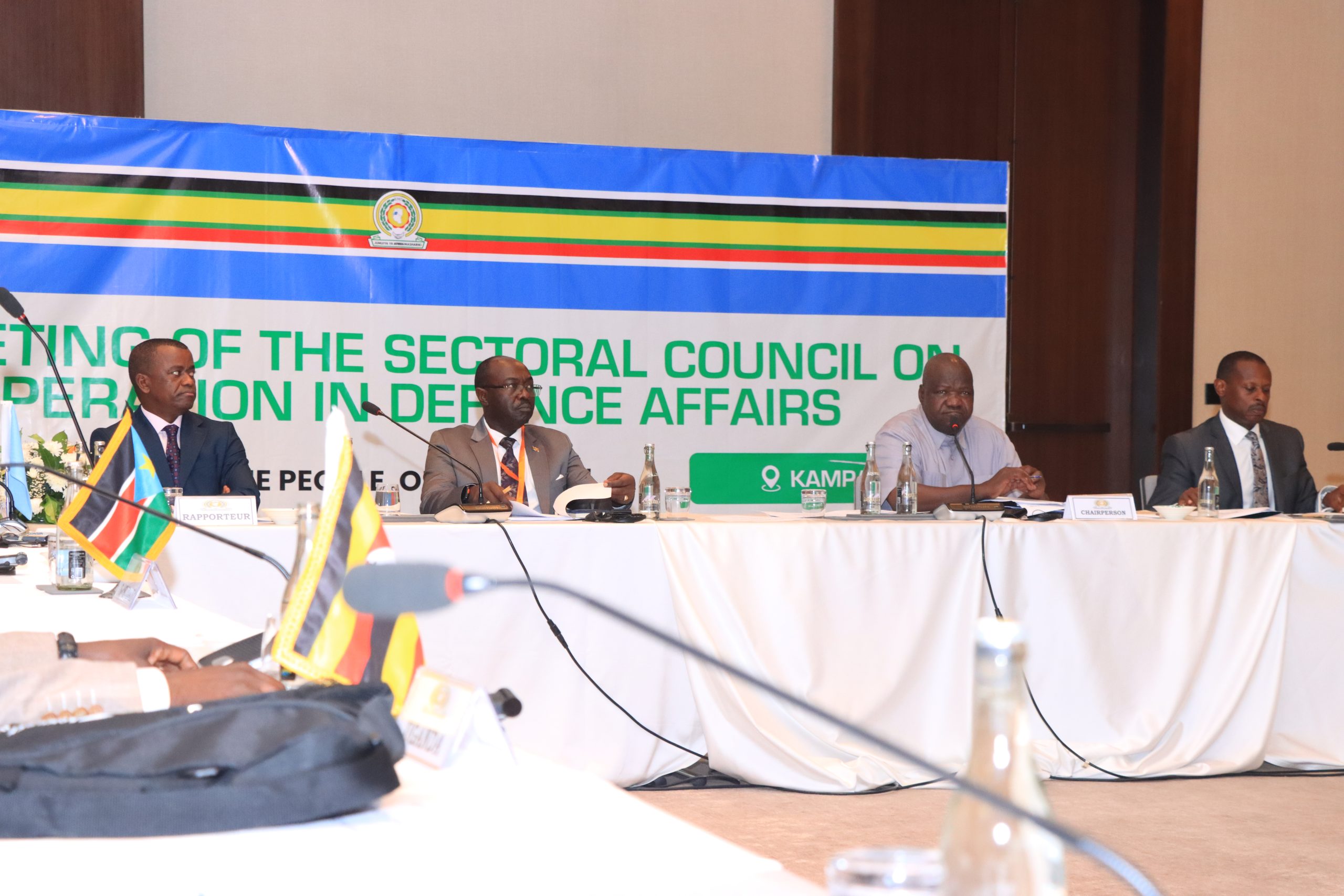
 Uganda’s Deputy Chief of Defence Forces, Lt Gen Sam Okiding, has urged East African Community (EAC) Partner States to deepen regional defence cooperation and strengthen collective security mechanisms to effectively respond to emerging security threats.
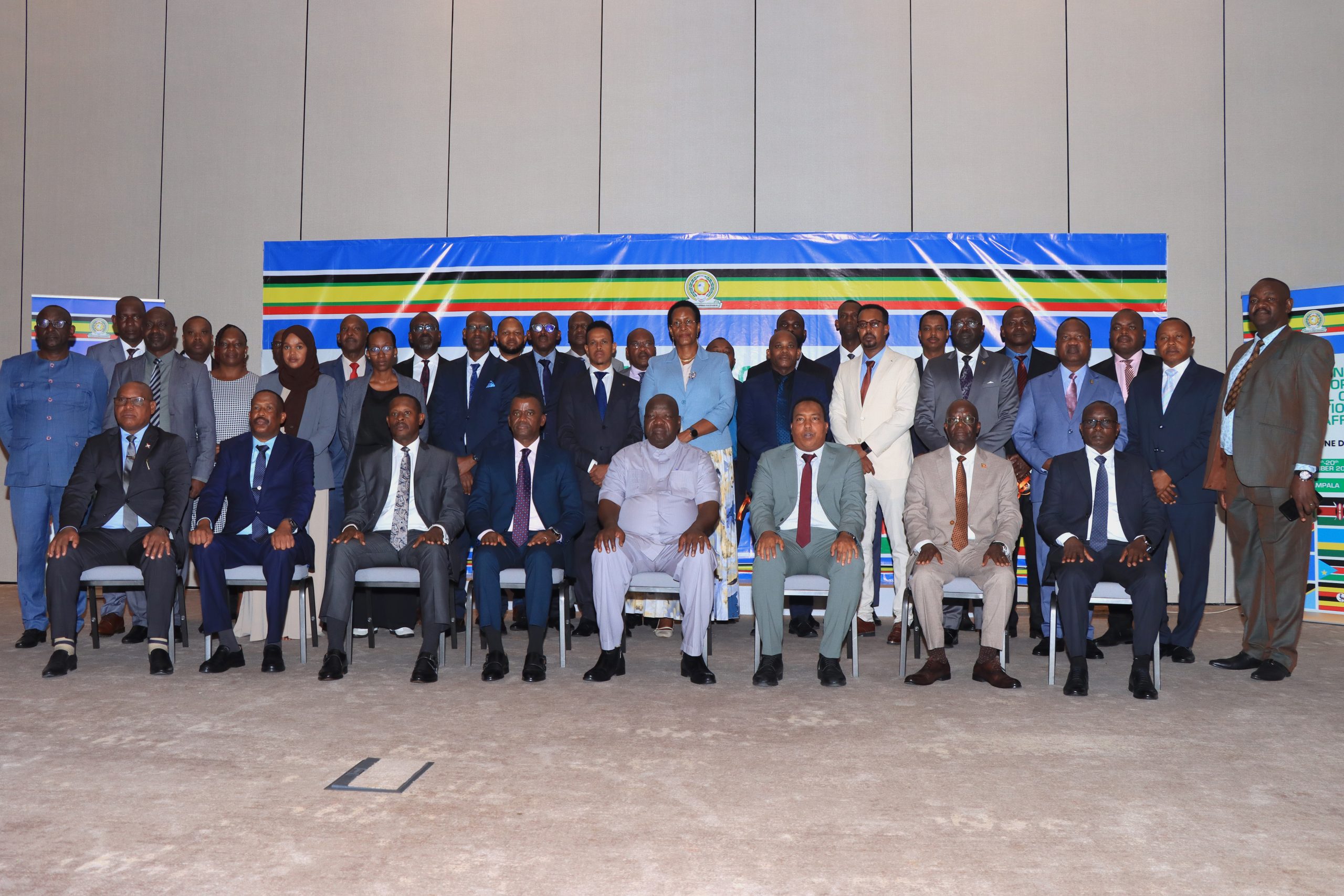
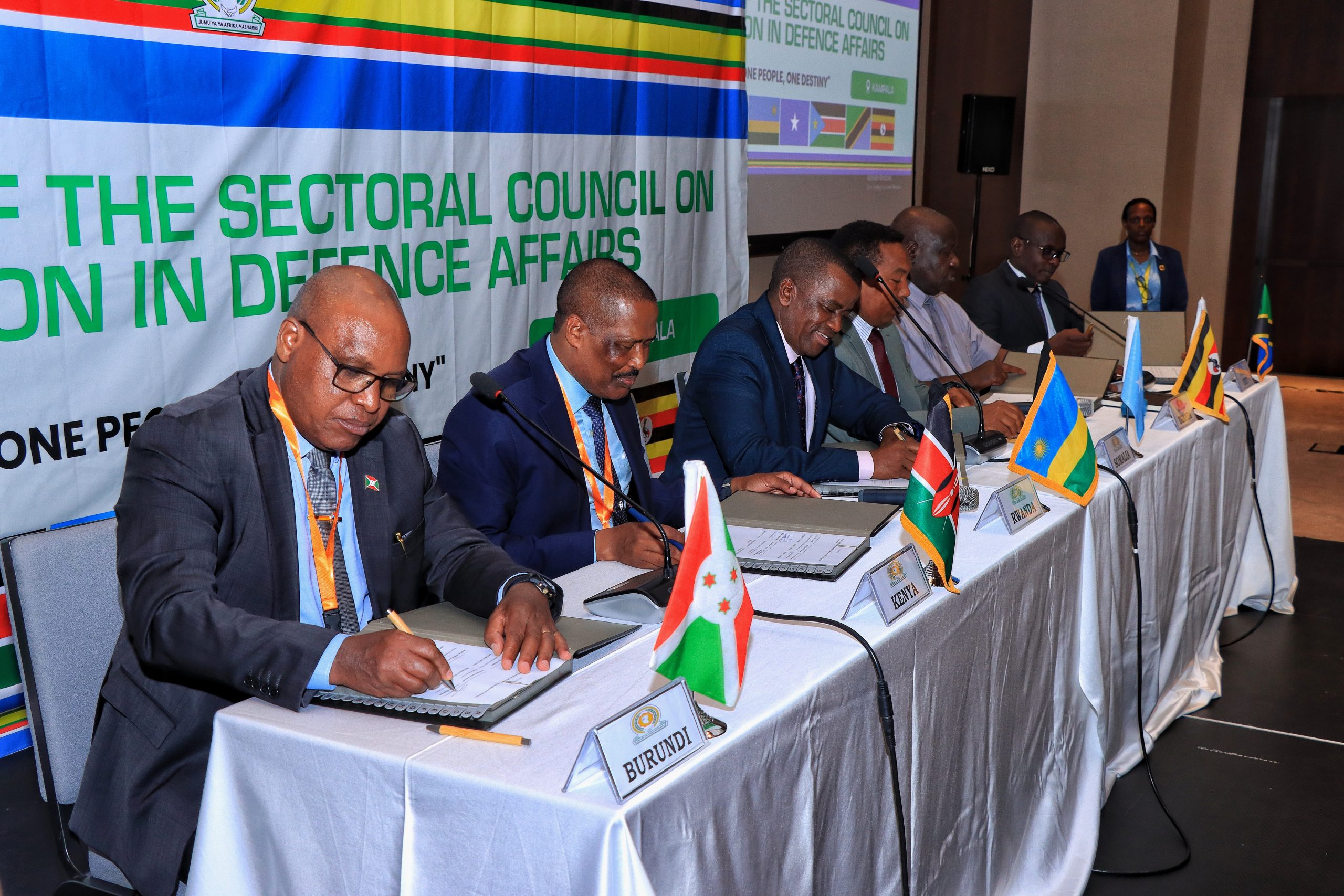
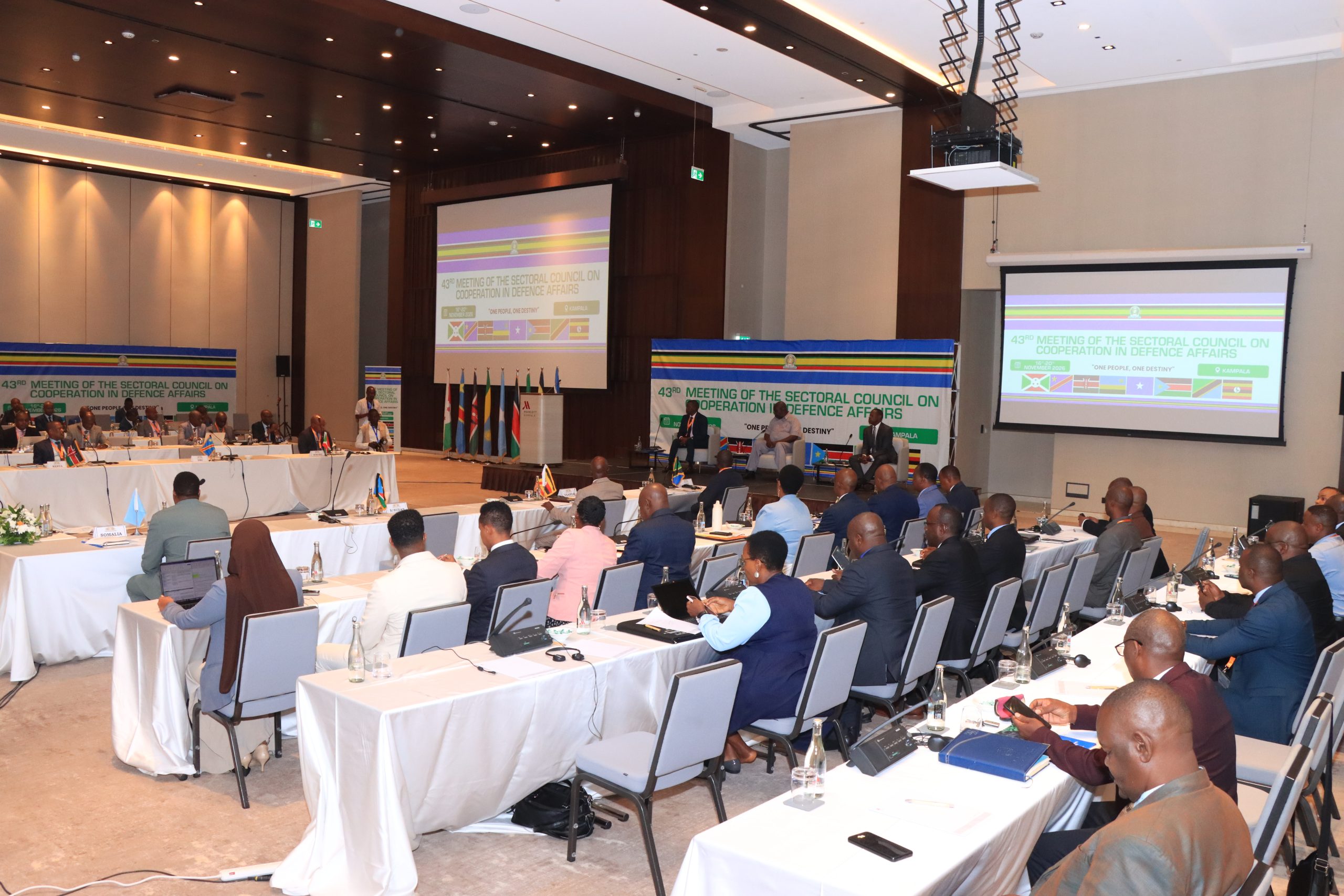
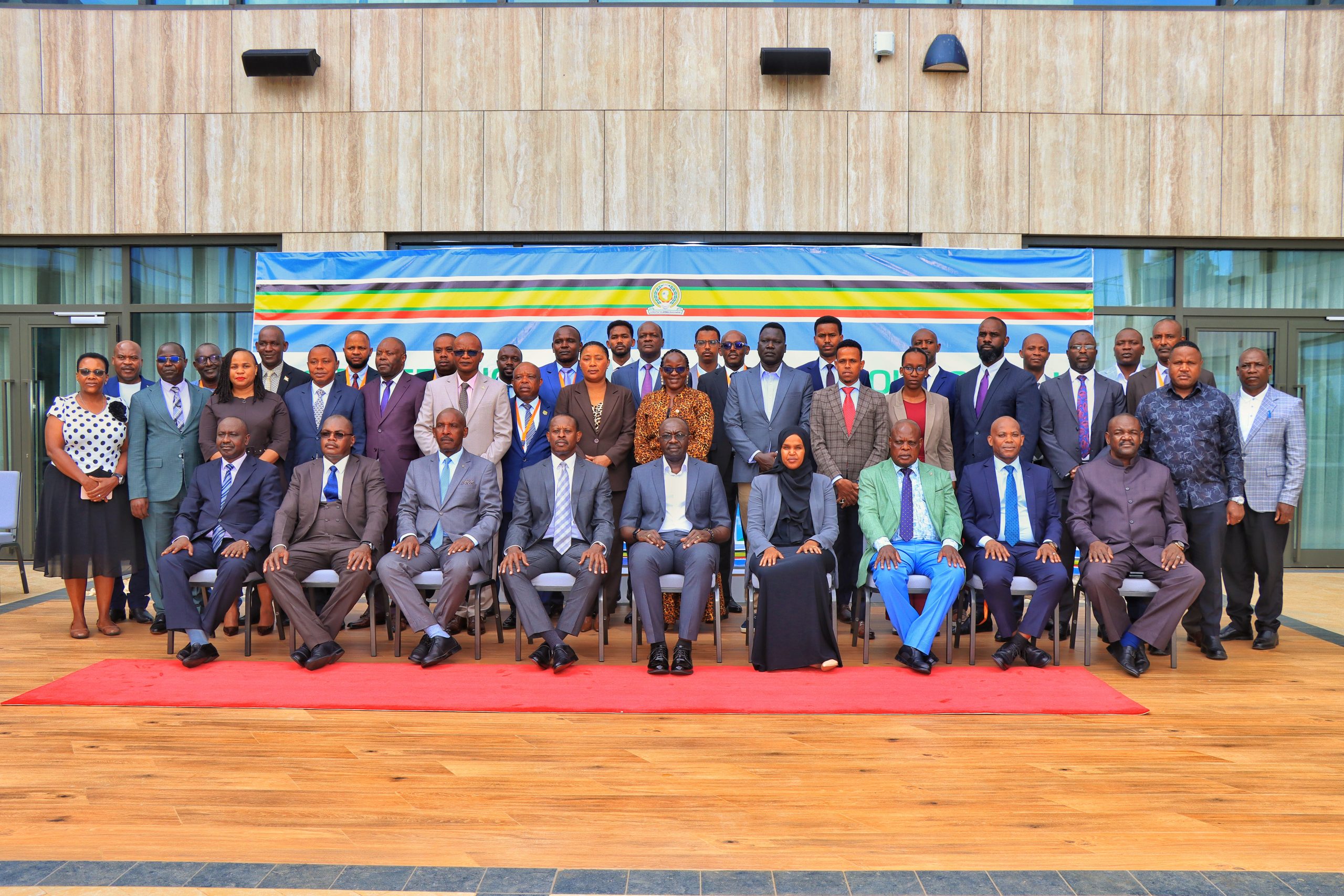
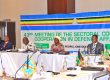
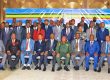
Lt Gen Okiding made the call while chairing the 43rd Consultative Committee Meeting on Cooperation in Defence Affairs in Kampala, where he represented Uganda’s Chief of Defence Forces (Gen Muhoozi Kainrugaba). The meeting brought together Permanent Secretaries and representatives of Chiefs of Defence Forces from six of the eight EAC Partner States to review and refine recommendations on key areas of regional defence cooperation.
The meeting followed deliberations by the Defence Expert Working Group (DEWG) and the Sectoral Committee, which considered various issues relating to regional defence cooperation.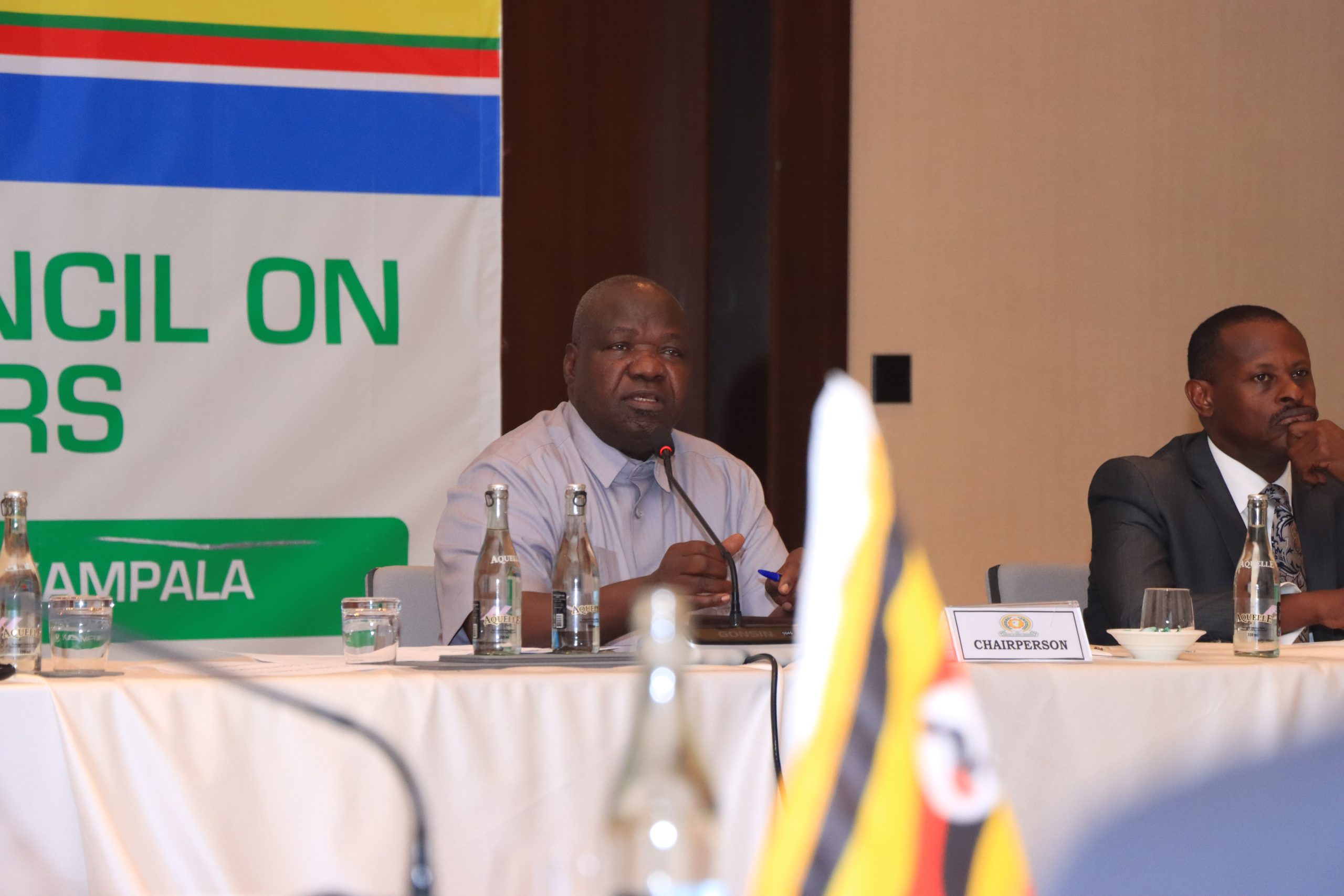
Lt Gen Okiding explained that the Consultative Committee was mandated to review and refine the observations and recommendations arising from the previous sessions before submitting them to the Sectoral Council for consideration.
“As managers of defence and security, as we deliberate on a number of issues, including the training of our defence forces, the mutual defence pact and civil-military relations, among others, we need to realise that the operating environment in our region is constantly changing. Our observations and recommendations must therefore align with this dynamic environment to enable our defence forces to work together in addressing emerging security challenges,” he emphasised.
Speaking on behalf of EAC Secretary General Ambassador Steven Patrick Mbundi, Brig Gen Matthew Gureme commended the delegations from Partner States for their participation and commitment to the regional cooperation agenda.
“By showing up, engaging candidly and dedicating your time and expertise to this process, you have sent a clear and powerful message that East Africa is firmly committed to standing together,” Brig Gen Gureme said.
He underscored the importance of regional cohesion in addressing security challenges facing individual Partner States, noting that threats affecting one country could have wider implications for the entire region.
“We all know the realities facing our region today. None of our countries can afford to look at peace and security in isolation. Whether we are dealing with cross-border security threats, protecting our shared trade corridors or responding to emerging humanitarian challenges, our strength lies in our unity,” he said.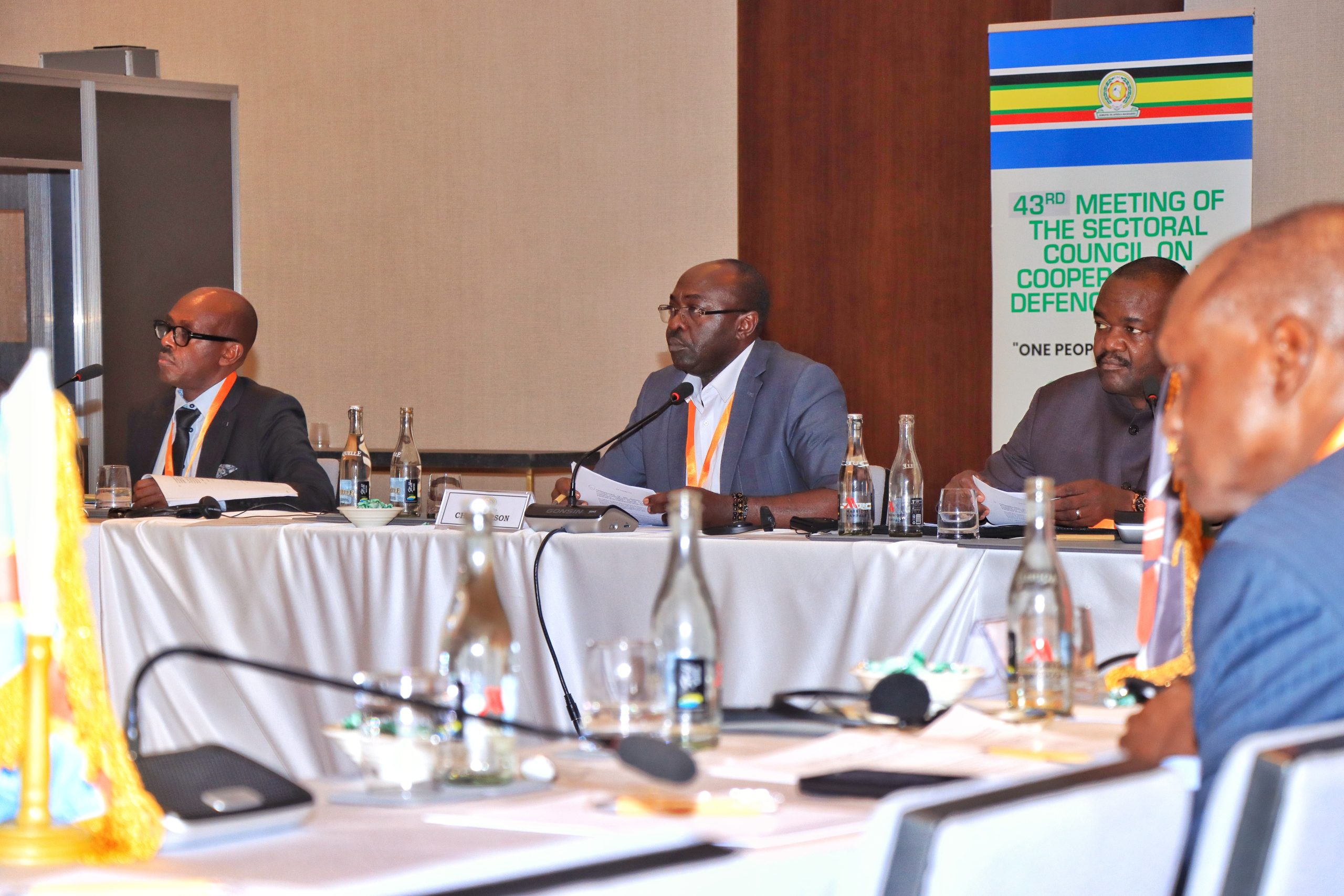
Earlier, during the Defence Expert Working Group session, the UPDF Joint Staff Training and Doctrine, Maj Gen Wycliff Keita, commended members of the working group for reaching consensus and developing practical recommendations on issues that emerged during the deliberations.
He noted that although some agenda items had generated debate, members had eventually reached common ground, providing a basis for the recommendations presented to the Consultative Committee.
“I understand that some items on the agenda had generated some debate, but eventually the members of the DEWG were able to find a common footing upon which they based their considerations and recommendations, which the committee will be looking at during the session,” Maj Gen Keita said.
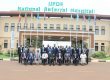
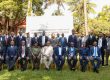
The session was attended by representatives of Permanent Secretaries and Chiefs of Defence Forces from Burundi, Kenya, Rwanda, Somalia, Tanzania and Uganda. Among those present were Lt Gen Jean Paul Habimana (Burundi), Maj Gen Fredrick Leuria (Kenya), Maj Gen Vincent Nyakarundi (Rwanda), Maj Gen Mohamed Ali Barise (Somalia), Maj Gen MM Munanga and Maj Gen Stephen Justine Mnkande (Tanzania), as well as Commissioner Mike Mabonga (Uganda).