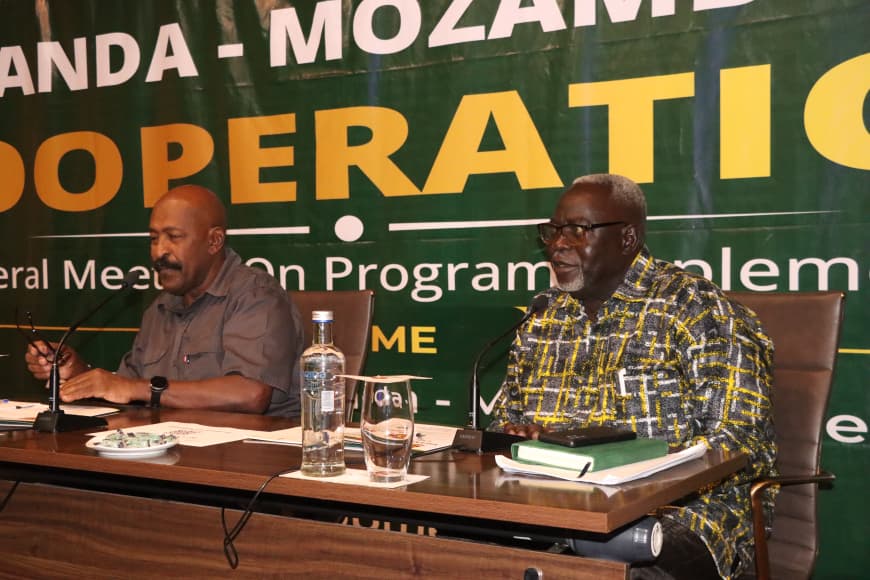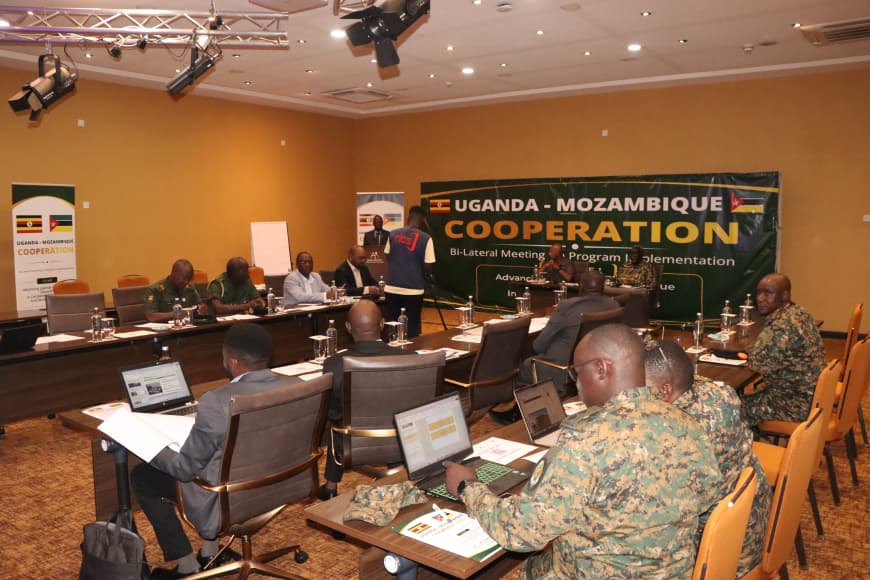
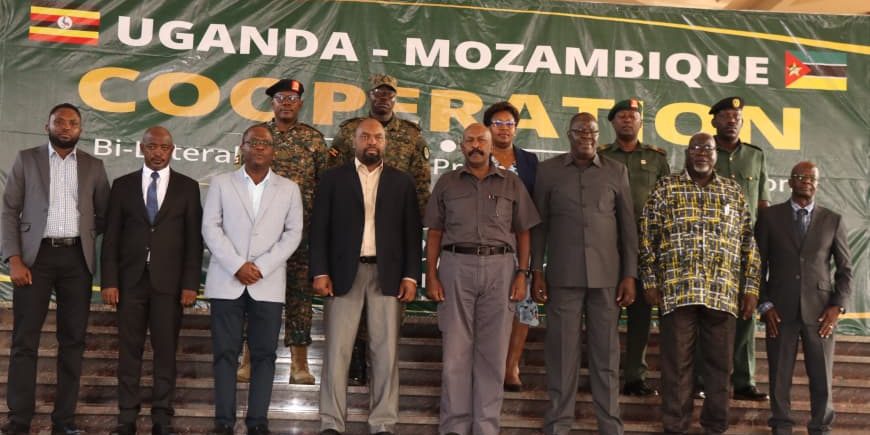
Uganda is hosting a delegation from Mozambique for a week-long bilateral engagement aimed at advancing cooperation in combatant and veterans’ affairs.
The meeting, being held in Kampala, is themed “Advancing Uganda-Mozambique Cooperation in Combatant/Veteran Affairs and Development Space.”
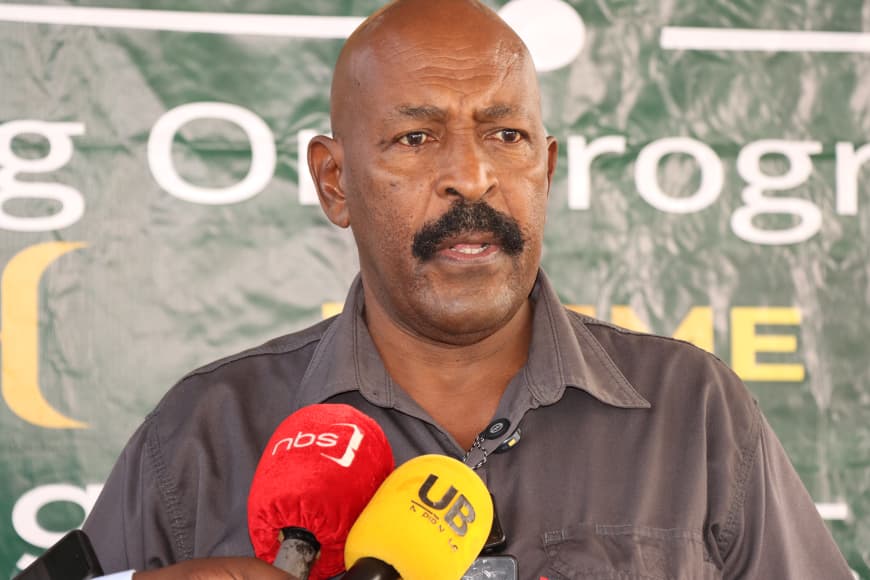
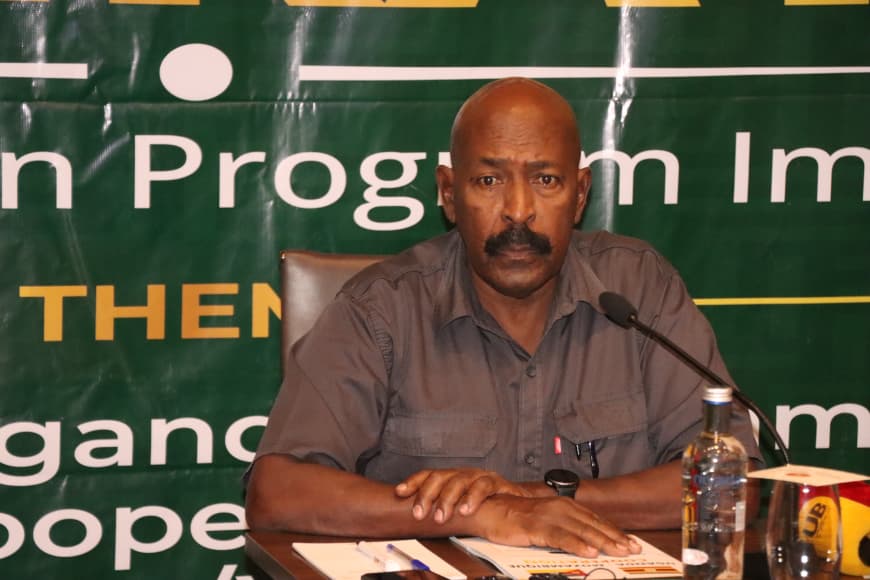 Welcoming the Mozambican delegation, General (Rtd) Ivan Koreta said the relationship between Uganda and Mozambique was built on sacrifice, solidarity and a shared history of liberation.
He recalled that President Yoweri Kaguta Museveni established contact with leaders of Mozambique’s liberation struggle while studying at the University of Dar es Salaam. Following Mozambique’s independence, the country provided a training facility for Ugandan liberation fighters in 1976.
Gen Koreta, who was among the Ugandan group trained in Mozambique, said the gesture remains at the heart of the two countries’ relationship.
“This is where the soul of these things comes from. This is where the background of our cooperation comes from,” he said.
He described Mozambique’s support as a significant example of military diplomacy, noting that the training facility provided to the Front for National Salvation (FRONASA) came at a critical stage of Uganda’s liberation struggle.
“There is no bigger diplomacy than that. 1976 is not ancient, it is very recent. So, when you talk about modern military relationships, this is a clear manifestation and example of what military diplomacy can do,” Gen Koreta said.
He said President Museveni had tasked him and Brig Gen (Rtd) John Bosco Omure with helping implement commitments made during his 2018 state visit to Mozambique.
Among the commitments were the refurbishment of accommodation facilities at the former training barracks, improvement of a technical institute in Montepuez, Cabo Delgado Province, and establishment of agricultural and agro-processing projects for FRELIMO veterans.
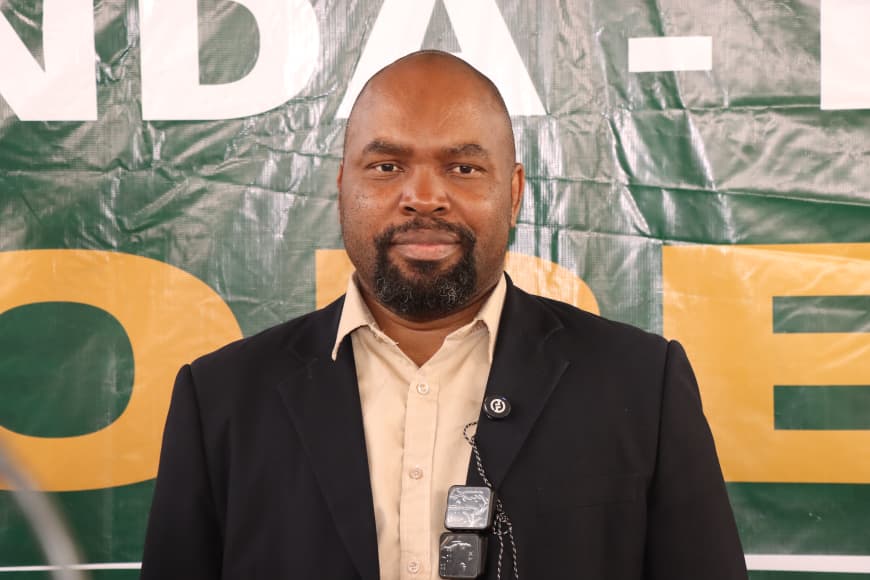 Horacio Massangaie, an adviser to Mozambique’s Minister of Veterans Affairs, said the delegation had come to continue the legacy of cooperation established through the training of Ugandan liberation fighters in Mozambique.
He said the two countries already have a memorandum of understanding on cooperation in veterans’ affairs and are now working to implement specific programmes, particularly in agriculture.
“Uganda has very good expertise, very good know-how in the realm of agriculture, in the realm of agribusiness,” Massangaie said.
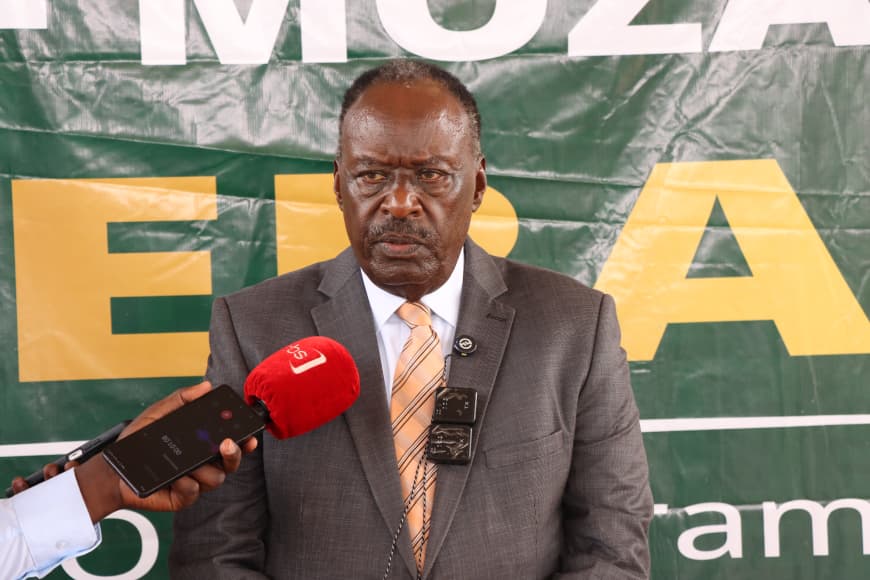 Uganda’s High Commissioner to Mozambique, Ambassador Colonel (Rtd) Fred Mwesigye, said the renewed cooperation provides an opportunity to preserve the history of the two countries’ liberation struggles while translating that shared history into tangible benefits.
Ambassador Mwesigye said that Uganda will continue to support training programmes in Mozambique, including the training of combatants and wildlife rangers.
The week-long engagement is expected to culminate in the signing of cooperation documents, building on the relationship built through the two countries’ struggles for liberation.