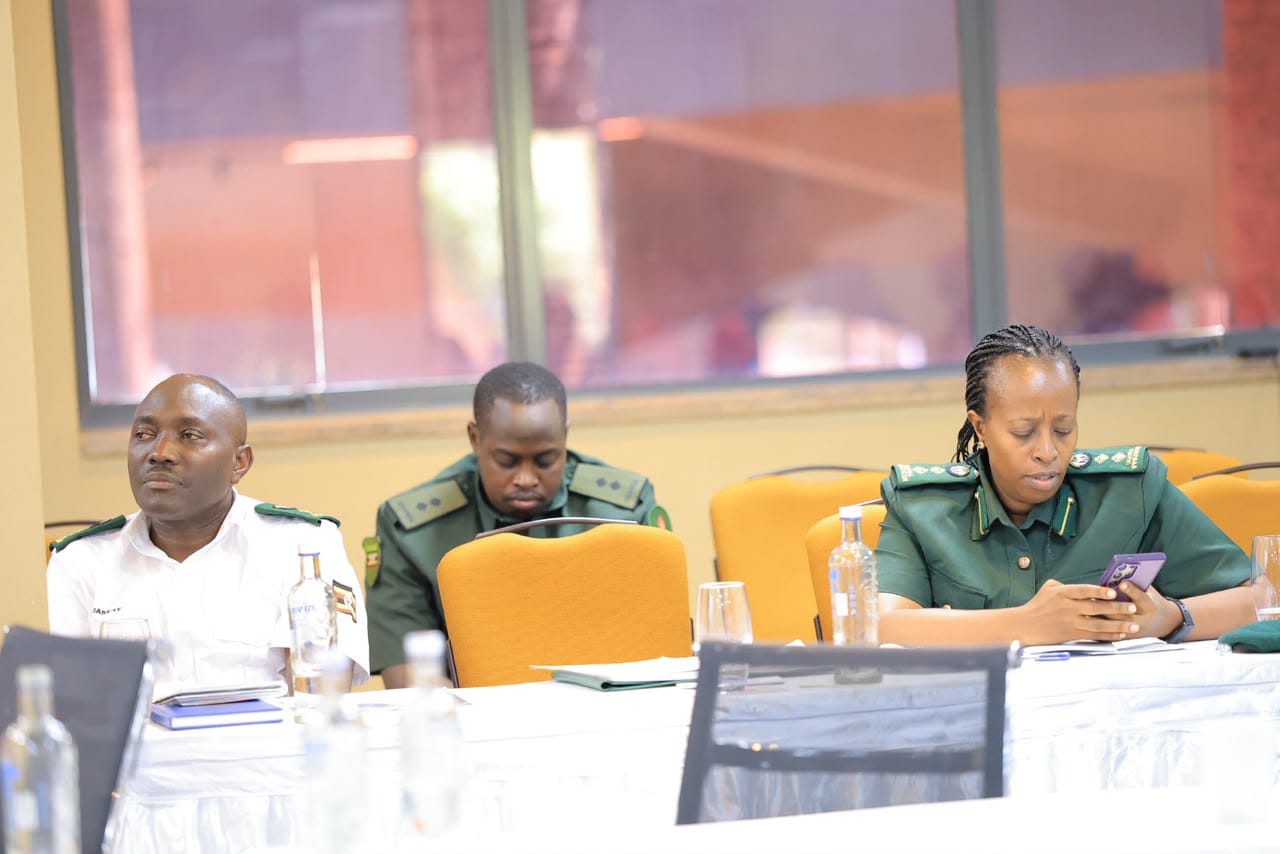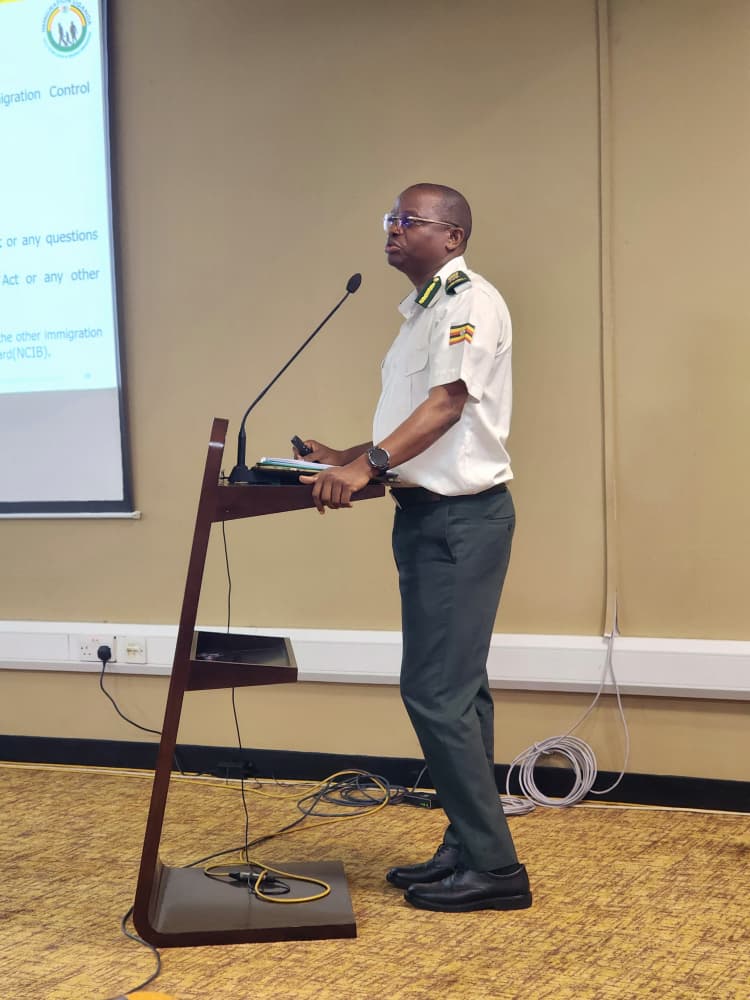
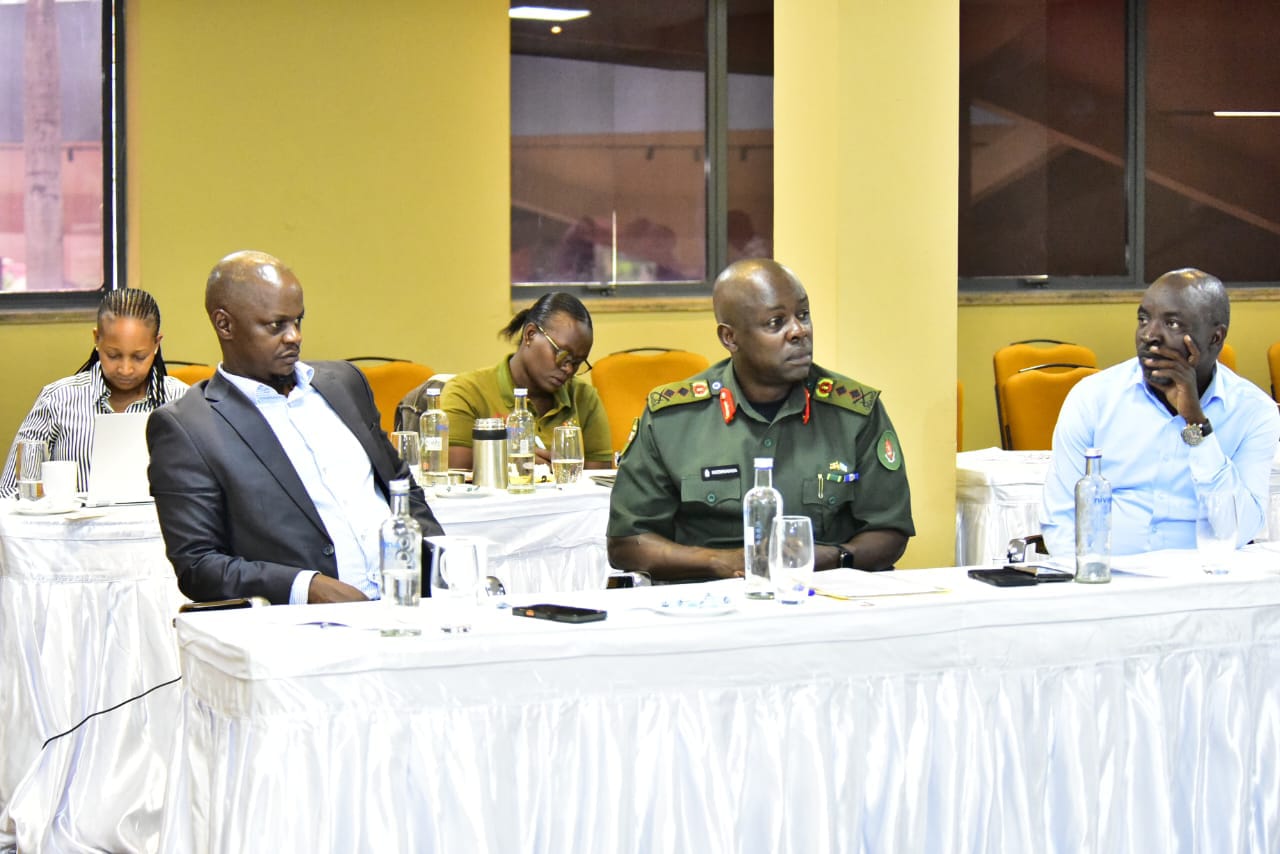
 The Uganda Peoples’ Defence Forces (UPDF) Representative in Parliament, who is also the Commander of the UPDF Reserve Force, Maj Gen Joseph Ssemwanga, and security analyst Dr. Ann Abaho, have urged Members of the 12th Parliament to adopt principle-based, critical and informed oversight of the defence and security sector.
The two were speaking at Speke Resort, Munyonyo, during the second day of the induction of Members of the Defence and Internal Affairs Committee of the 12th Parliament, in a session dedicated to how Defence and Internal Affairs should interact and relate with the security sector.
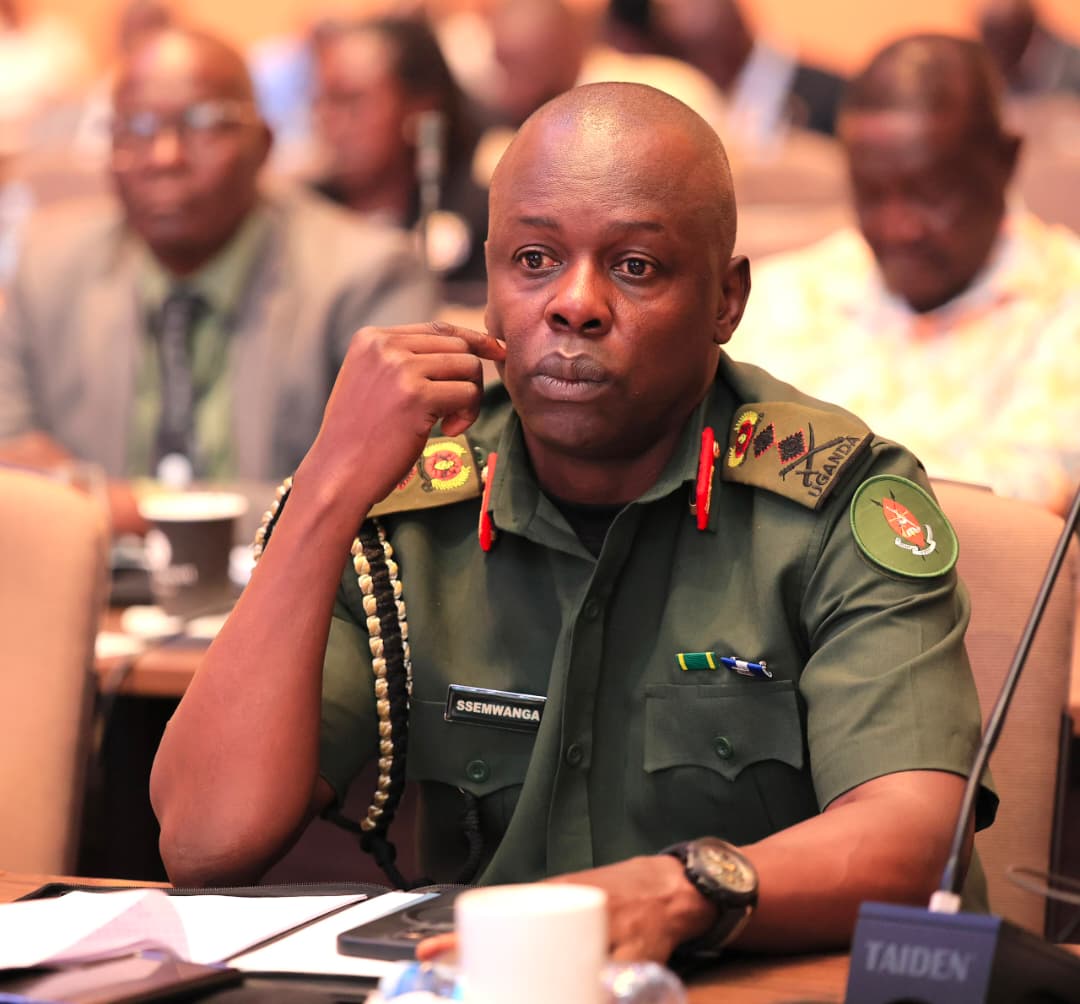 Maj Gen Ssemwanga cautioned legislators that their conduct directly impacts national stability, noting that security is a collective responsibility that goes beyond the uniformed services.
“We have been told of instances where Members of Parliament bring their personal grudges on members of security,” he said.
He added that oversight engagements with security agencies should be guided by principle rather than personal grievances.
“Whenever the committee is interacting with members of security, it should never be personal but rather be based on principle. We urge members to freely interact with security personnel without necessarily being confrontational,” he said.
Maj Gen Ssemwanga further reminded MPs that every decision they make has security implications.
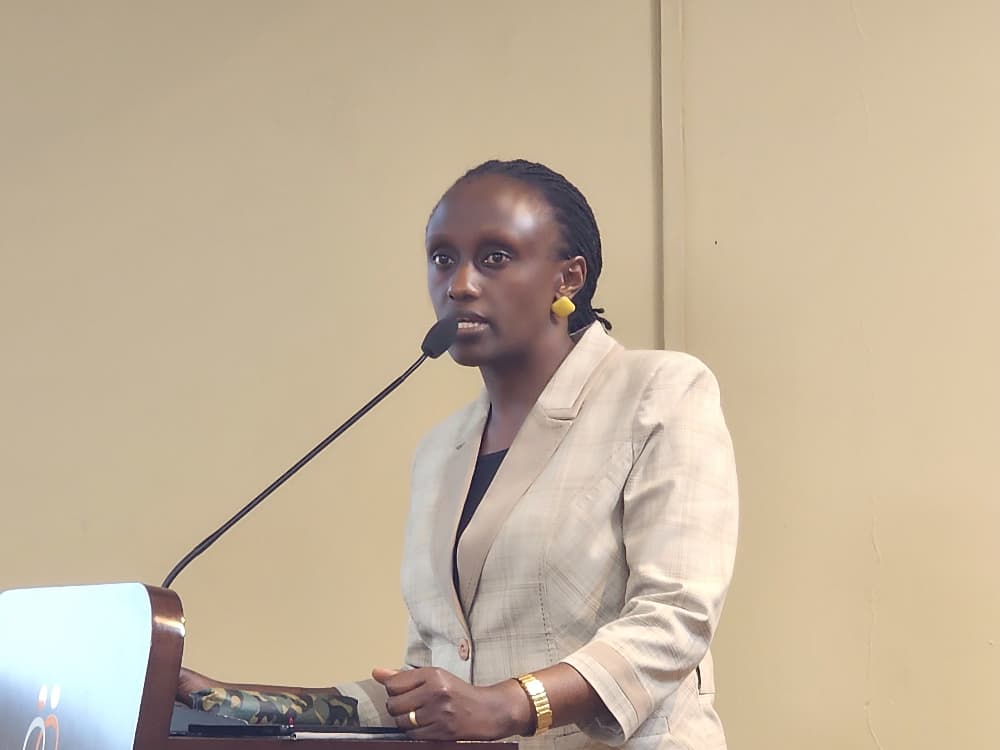 Dr. Abaho, on her part, challenged MPs to be critical in their analysis and to pay attention to data and emerging threats, including cyber security and forensic science.
She said modern security threats are no longer limited to physical deployments but include cyber-attacks on national infrastructure, data breaches and digital warfare, which require legislators to understand numbers, technology and evidence-based reporting.
“Whether they like numbers or not, they have to be forced to interpret them,” she said.
Dr. Abaho noted that in security, one should always imagine that danger is close and proposed that there should be a law governing proactive security preparedness. She also underscored the growing importance of forensic science in investigations, accountability and human rights observance.
Citing historical practice, she said the Uganda Human Rights Commission previously had an open opportunity to access security facilities without prior alert and interact freely with individuals, but noted that with time there have been some reservations. She urged members on oversight to insist on direct interaction with personnel, especially on matters of welfare.
She added that Uganda has recorded achievements on border security, regional stability, hazardous deployments, including to South Sudan, and securing roads beyond protection duties.
Both facilitators said the induction has helped members appreciate the complexity of security as a national concern that requires collaboration, critical analysis and respect for professional guidance.